Flowtron 1-Acre Zapper vs. Portable Solar Alternatives
 Maya ChenContributing Editor
November 26, 2026 — Consumers are currently flocking to a steep discount on the Flowtron 1-Acre 40W UV Outdoor Electric Bug Zapper, which has reached a price point of $35. The deal, originating from a third-party seller on Amazon, targets homeowners seeking large-scale perimeter defense against flying insects. While the price drop is significant, the utility of a tethered, high-voltage unit in a modern camping context remains questionable.
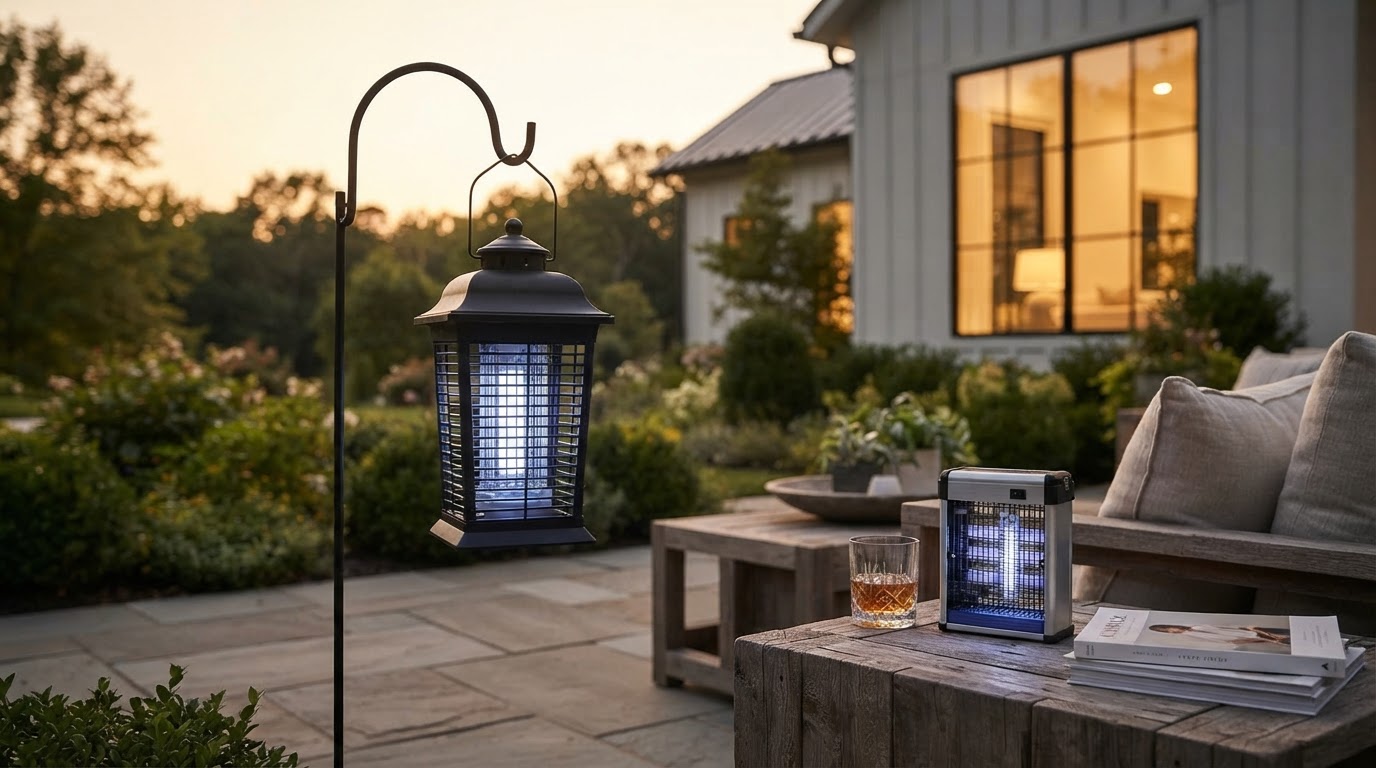
The conventional wisdom says that more acreage and higher voltage equate to a better experience, but the data suggests otherwise for mobile users. According to Slickdeals.net, the Flowtron unit features a 5600V grid and requires a constant power connection to operate its 40W UV bulb. Here's the part nobody talks about: a 5600V stationary unit is useless the moment you move twenty feet past the extension cord's reach. For those prioritizing mobility, the Outdoor Bug Zapper offers a 4500V shock mechanism in a wireless, solar-charged chassis, effectively trading a marginal voltage difference for total placement autonomy.
Run the math: the Flowtron deal, as reported by Slickdeals.net, involves a 50% discount from the $69.99 MSRP when using a specific promo code. However, the hidden cost lies in the infrastructure required to mount and power a unit designed for a full acre. If your goal is protecting a specific campsite setup, the localized efficiency of a portable insect killer often outweighs the raw power of a stationary grid. Furthermore, the Flowtron relies on a mosquito attractant cartridge that requires recurring purchases, whereas a solar-powered device utilizes an automated panel sensor to manage energy without ongoing consumable costs.
Expert tip: When evaluating high-voltage grids, check the IP rating for moisture resistance. A 5600V grid is a liability if the housing cannot withstand a sudden downpour during a backpacking trip. Always prioritize units with integrated sensors that prevent battery drain during daylight hours.
I'll change my mind when stationary units can demonstrate a higher kill-rate per watt-hour than localized, sensor-driven portables in varied terrain. Until then, a $35 price tag is just a low-cost entry into a high-maintenance ecosystem.