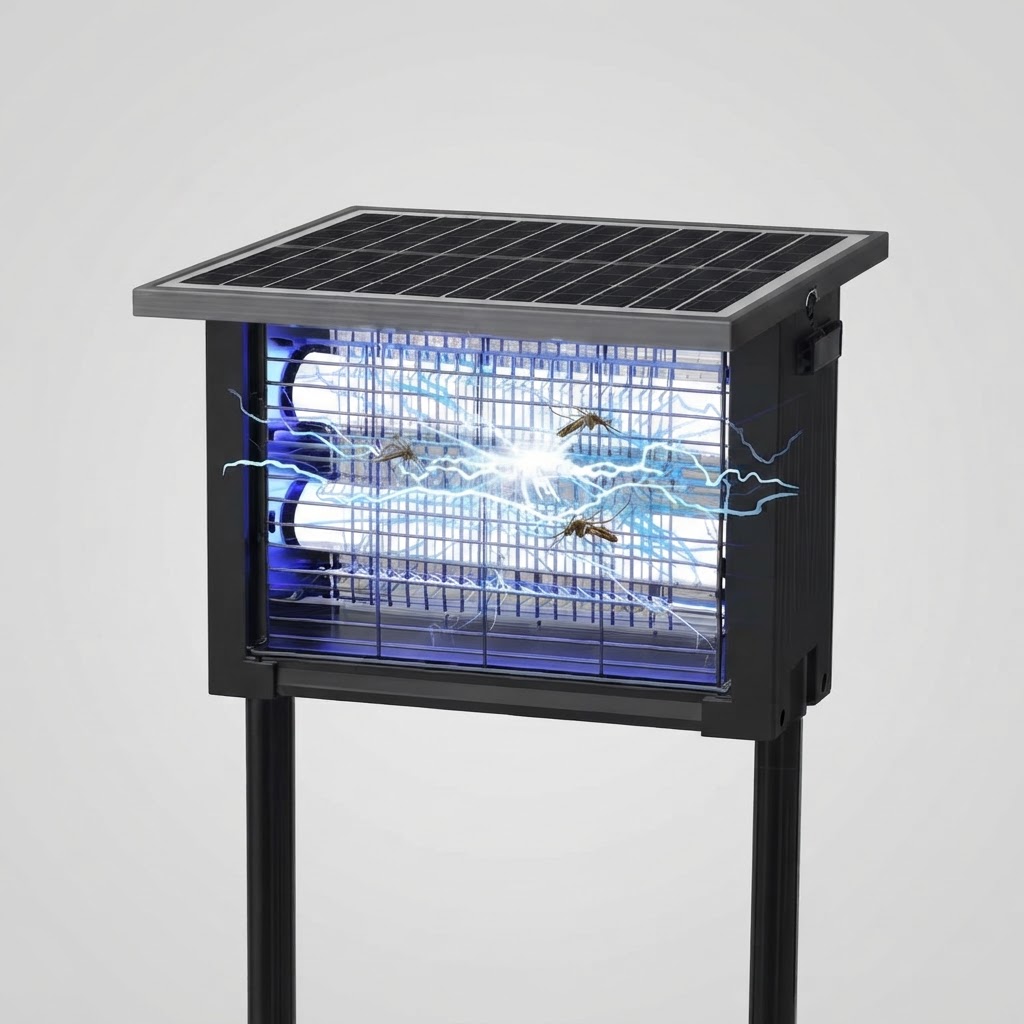
How to Properly Set Up a Portable Bug Zapper at Your Campsite
Setting up a bug zapper correctly around camp keeps flying insects away from cooking areas and tents. Follow these steps to maximize coverage and ensure safety during outdoor trips.
For complete details on grid safety and seasonal maintenance, check the main guide.
Step 1: Evaluate Campsite Layout and Safety Boundaries
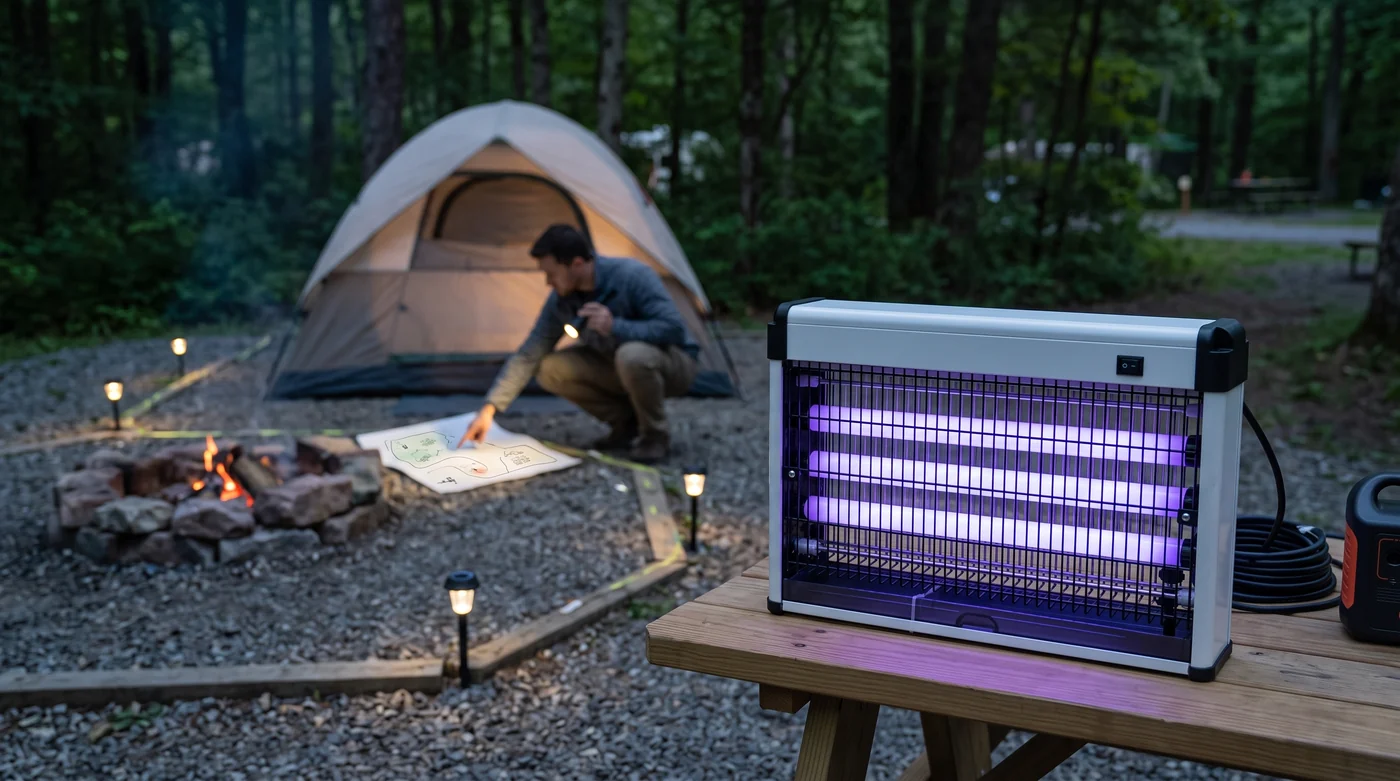
Select a location that covers high-traffic outdoor areas without putting light lure directly in front of tent doorways. Ensure the device sits in an open area capable of covering up to its maximum coverage area of 1,000 sq ft. Walk the site before hanging anything. Note where the cooking station, seating circle, and food storage will sit, then look for the directions insects will approach from — tall grass, brush lines, and standing water such as ponds or slow creeks are the usual staging areas. The ideal position places the zapper between those insect sources and your activity zones, so pests are intercepted on the way in rather than after they arrive.
Keep the unit clear of anything flammable or crowded: not directly over the picnic table, not against tent fabric, and not buried inside dense branches that block both the light lure and the open approach paths insects follow. An open clearing edge gives the 1,000 sq ft of coverage room to actually work.
Step 2: Establish Distance from Sleeping Quarters
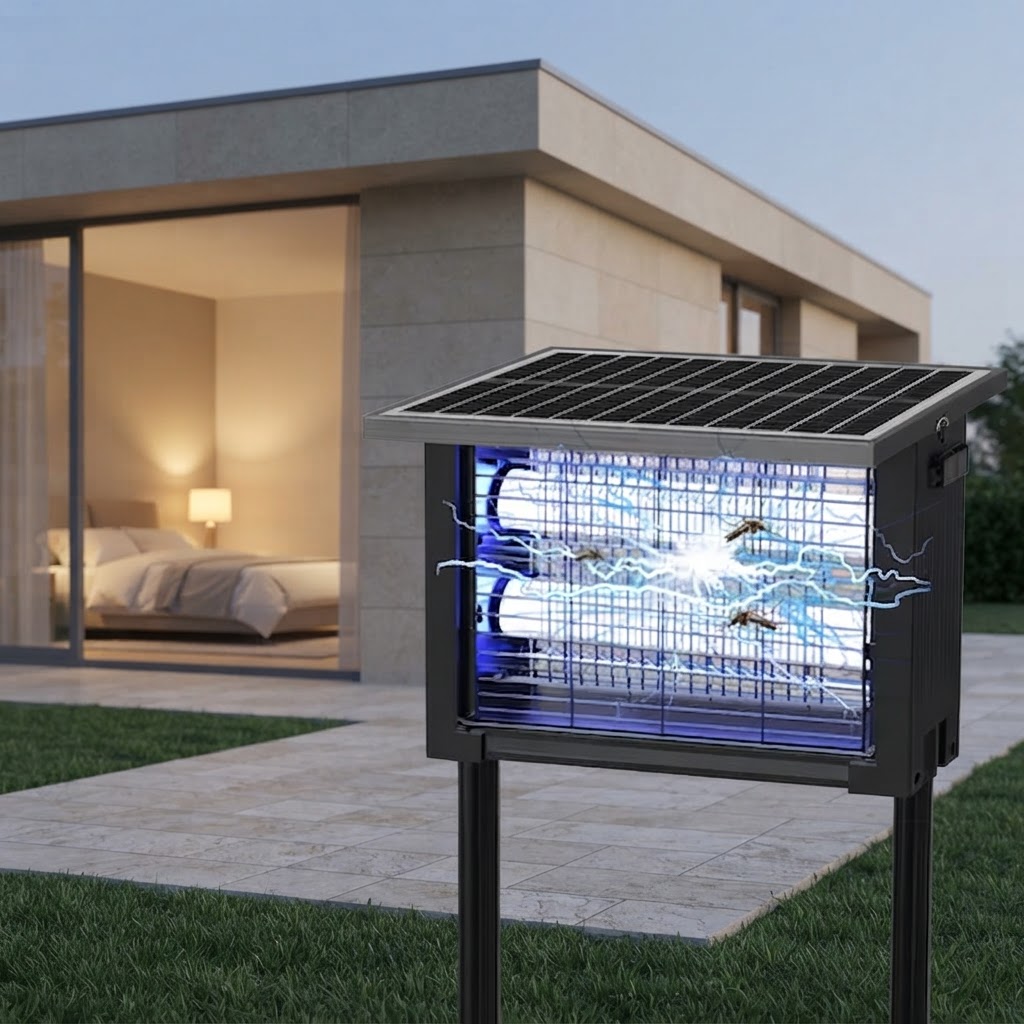
Never hang insect attractants inside or immediately next to your tent entrance. Position the unit at a distance from tent feet of 15-20 feet away from sleeping zones to draw pests safely away from your rest area. The logic behind the distance is simple: a zapper is an attractant first and an eliminator second. Everything it draws in has to fly toward it, and that flight path should never cross your sleeping area. At 15-20 feet, insects that would otherwise investigate the warmth and carbon dioxide inside a tent get pulled toward the brighter, more compelling lure instead — and are eliminated there rather than at your door.
If the campsite layout allows, place the unit on the side of camp facing the likeliest insect source, such as the water or the tree line. Positioned that way, the zapper works as a perimeter checkpoint, thinning insect traffic before it ever reaches the sleeping area, rather than acting as a beacon planted in the middle of camp.
Step 3: Hang the Device at the Correct Height
Utilize tree branches or camp poles to suspend the unit. Secure it at a hanging height feet of 6-8 feet off the ground, placing the high-voltage interior in the direct flight paths of nocturnal pests. At 2 lbs, the unit hangs safely from a modest branch, a cord line strung between trees, or the same pole system used for lanterns — no dedicated hardware required. Check that the hanging point is stable enough to hold through overnight breezes, and leave open space around the unit on all sides so approaching insects have a clear path to the grid from any direction.The 6-8 foot band matters because it matches where night-flying insects actually travel. Hung too low, the unit sits beneath the main flight corridors and close to ground clutter; hung too high, it drifts out of the zone where mosquitoes hunt for hosts. Eye level to just above head height is the practical sweet spot at camp.
Step 4: Activate Automated Dusk-to-Dawn Mode
Ensure the integrated panel sensor has unobstructed access to ambient light. With a 2 lbs lightweight body and IPX4 waterproof rating, the device can safely hang outdoors through standard overnight moisture while running on its 8-12 hour battery reserve.Read the full guide: Ultimate Guide to Outdoor Bug Zappers: Solar Power, Placement, and Efficiency
Plan for the next night's charge as part of the morning routine. When you take the unit down at daybreak, set or rehang it where the solar panel will catch direct sun through the day — a 6-8 hour charge in open light restores the full overnight reserve. On heavily shaded sites, a sunny spot at the clearing edge or near the parking area beats anywhere under the canopy.
Before turning in, glance at the sensor's surroundings. A lantern or headlamp beam shining on the panel sensor can hold the unit in daytime mode, so keep camp lighting pointed away from it after dark. With those two habits in place, the zapper runs its dusk-to-dawn cycle unattended for the length of the trip.