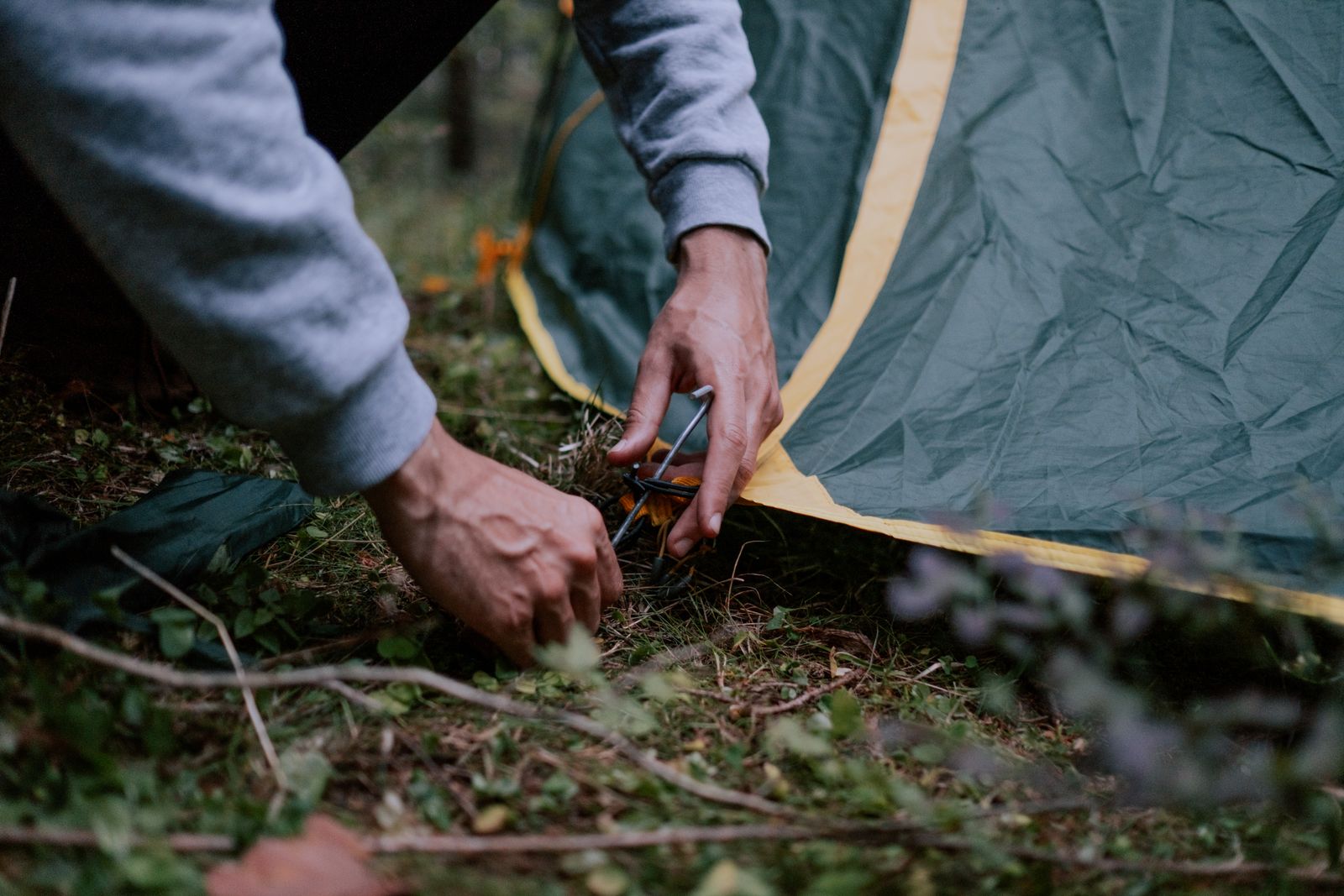
Off-Grid Campsite Bug Control: Zero RV Battery Drain Strategy
0.0 Ah drain rule: Deploying standalone 4500V solar bug zappers 25 to 30 feet away from your primary living zone eliminates flying pests while drawing exactly 0.0 amp-hours from your RV house batteries. Combining perimeter high-voltage zappers with warm amber lighting (below 2200K) under the awning secures a bug-free campsite without risking a dead battery.
Essential Off-Grid Bug Defense Takeaways
- 0.0 Amp-Hour Battery Load: Self-contained 4500V solar bug zappers operate entirely independent of your RV 12V or 120V electrical system.
- 3-Zone Perimeter Separation: Placing solar zappers 25–30 feet out draws flying pests away from living quarters rather than luring them into your RV door.
- 4500V High-Voltage Efficiency: Instantaneous shock grids kill mosquitoes and biting flies on contact, preventing pest swarms without chemical repellents.
- Automated Solar Sensing: Integrated panel sensors automatically trigger UV activation at dusk and initiate battery recharging at dawn.
- Spectrum Management: Replacing white awning LEDs with warm amber lighting (<2200K) prevents drawing insects into Zone 3.
Off-Grid Insect Control Technical Specifications
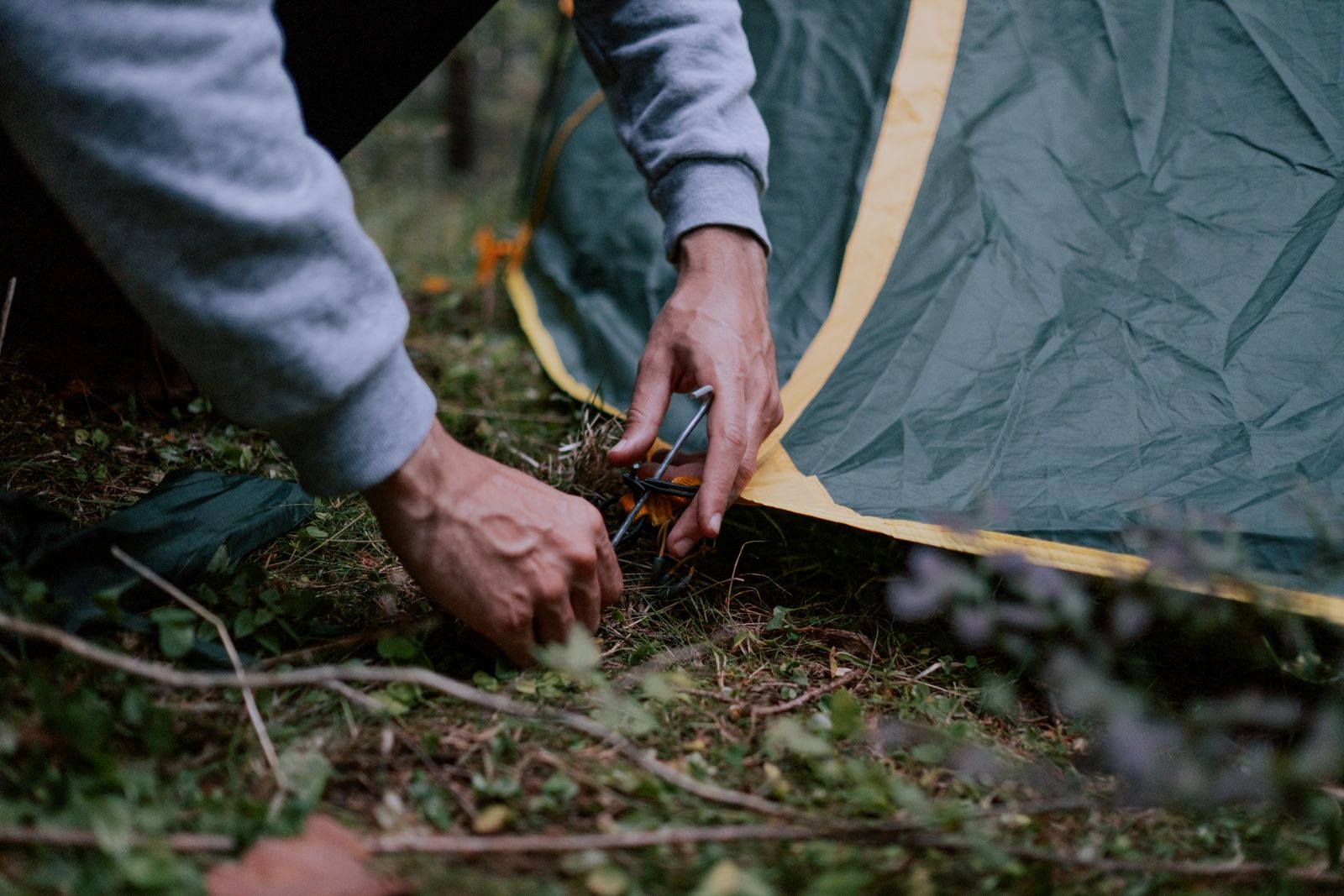
Photo by cottonbro studio on Pexels
| Technical Specification | Outdoor Bug Zapper (Pack) | Standard 12V DC Bug Fan | 120V AC Inverter Zapper |
| --- | --- | --- | --- |
| Grid Shock Voltage | 4500 Volts | N/A (Vacuum Suction) | 1500 - 3000 Volts |
| 24-Hour RV Battery Draw | 0.0 Ah (Self-Powered) | 12.0 - 18.0 Ah | 20.0 - 35.0 Ah (Inverter Losses) |
| Primary Power Source | Monocrystalline Solar + Internal Li-ion | 12V RV House Battery | 120V AC Shore / Inverter |
| Automated Operation | Integrated Light Sensor (Dusk/Dawn) | Manual Switch | Manual / Timer |
| Charging Capabilities | Solar Energy + Micro-USB Backup | None (Direct Drain) | None (Direct Drain) |
| Weather Resistance Rating | IP65 Waterproof | IPX4 Water Resistant | IPX2 Indoor/Covered Outdoor |
| Effective Attraction Radius | 30 - 50 Feet | 5 - 10 Feet | 15 - 25 Feet |
3-Zone Campsite Insect Defense Blueprint
Boondocking Campsite Setup Checklist
- [ ] Inspect site for stagnant water or dense brush and position RV upwind.
- [ ] Hang 4500V solar bug zappers 25–30 feet away in unshaded sunlight spots facing south/southwest.
- [ ] Ensure built-in panel sensors are unobstructed so automatic dusk activation triggers reliably.
- [ ] Switch RV awning and entry lights to warm amber LEDs (under 2200K wavelength).
- [ ] Establish Zone 2 buffer zone by keeping food prep covered and trash sealed in airtight bins.
Expert Field Tip: Solar Panel Positioning & Dusk Sensor Tuning
When boondocking under heavy timber canopy, do not leave your solar bug zapper stationary under shade. During peak daylight hours (10:00 AM to 3:00 PM), relocate the portable units to an unshaded solar glade or sunny meadow using stake mounts. Charging the internal lithium battery for 4 to 6 hours of full direct sunlight delivers 100% capacity for the 4500V grid overnight. At dusk, return the zapper to its 30-foot perimeter anchor point, making sure camp lanterns do not shine directly on the integrated optical sensor, which could prematurely shut off the UV light.
Immediate Action Plan for Off-Grid Pest Control
Your decision: Transition your off-grid campsite from active 12V/120V power-draining pest devices to a self-powered 3-zone solar perimeter.
Do this next: Deploy two 4500V solar bug zappers at 25-30 feet from camp, and switch awning lighting to warm amber spectrum LEDs.
- Read next: Campsite Placement & Maintenance Guide for Solar-Powered Bug Zappers
Equip your rig with the Outdoor Bug Zapper Pack (4500V Solar Powered) for immediate zero-amp perimeter defense.
Solar Zapper Off-Grid Maintenance Schedule
- Daily at Dawn — Wipe top solar panel with a soft micro-fiber cloth to remove morning dew, dust, and tree sap for max charging.
- Every 3 Days — Use the non-conductive brush to clean accumulated insect residue off the 4500V high-voltage grid wire matrix.
- Weekly / Site Move — Inspect internal lithium battery charge indicator; use micro-USB top-up if camping under 100% cloud canopy for >48 hours.
- End of Trip — Turn off panel sensor switch, perform deep brush cleaning of collection tray, and store in portable carry pack.
Selecting Your Zero-Power Bug Control Setup
Choose bug control methods based on your battery bank capacity, canopy shade levels, and campsite footprint.
Best choice for
- Standalone 4500V Solar Bug Zappers deployed at 30-foot perimeter — Maximized solar capture during daylight powers intense 4500V night grid eliminating heavy flying insect surges without battery draw.
- Pre-charged portable solar zappers with USB backup and 2000K amber awning lights — Maintains zero RV battery usage while allowing USB powerbank top-ups if dense leaf canopy degrades solar charging.
- Avoid 120V AC plug-in bug zappers running through an inverter overnight (consumes 15-30 Ah/night in standby and grid load).
- Avoid hanging UV light zappers directly from your RV awning, which draws pests straight to your entry door.
- Physical mesh screens + warm light filters — Completely passive solution requiring no power, though ineffective against pests outside the screened envelope.
Recommended Gear for Zero-Drain Campsite Defense
Photo by Max Vakhtbovych on Pexels
For complete off-grid reliability, self-contained hardware that delivers high discharge voltage without tapping into your house battery is essential.
Outdoor Bug Zapper (Pack)
- Power Architecture: Monocrystalline solar panel with backup micro-USB input.
- Discharge Rating: 4500V electric shock grid engineered to instantly eliminate mosquitoes, gnats, and biting flies.
- Automation: Integrated dusk-to-dawn optical panel sensor for automatic activation.
- Portability: Lightweight, wireless construction built specifically for overland trailers, RVs, and tent campsites.
Managing an off-grid electrical energy budget requires meticulous tracking of every continuous milliamp. A single 12V DC bug attraction fan drawing 1.5 Amps over an 8-hour night consumes 12.0 Amp-hours (Ah) of battery storage. On a standard 100Ah AGM lead-acid battery with a 50% maximum depth-of-discharge (50Ah usable capacity), that single bug fan burns through 24% of your total available nightly energy. Running a 120V AC bug zapper through an inverter is even worse: inverter idling overhead (typically 1.2A to 2.0A continuous) combined with transformer draw can drain 25.0 to 35.0 Ah overnight—over half your usable energy reserve!
By contrast, transitioning to standalone 4500V solar bug zappers drops your RV house battery load to exactly 0.0 Ah. These self-contained units use high-efficiency solar cells during daylight to charge internal lithium-ion cells. At dusk, built-in light sensors route power to a 365nm ultraviolet LED attraction source and a 4500V discharge capacitor array. The 4500V impulse delivers instant termination upon pest contact without drawing a single watt from your rig.
3-Zone Spatial Layout Science
Effective insect defense relies on photonics and spatial attraction dynamics. Flying pests are attracted to UV wavelengths around 365nm, as well as carbon dioxide (CO2) and heat signatures from human bodies.
Amp-Hour Cost vs. Bug Control Method Matrix
| Camping Scenario | Bug Control Method | Power Source | 24-Hour RV Battery Draw (Ah) | Efficacy Against Mosquitoes | Perimeter Coverage Radius |
| --- | --- | --- | --- | --- | --- |
| Open Desert Boondocking (Heavy Mosquitos) | 4500V Solar Bug Zapper Pack | Solar / Internal Li-ion | 0.0 Ah | 98% | 30 - 50 feet |
| Forest Canopy Camping (Moderate Shade) | 12V Plug-in Insect Fan | RV 12V House Battery | 14.4 Ah (1.8A x 8h) | 65% | 8 - 10 feet |
| Cold-Weather Boondocking (Inverter On) | 120V AC Grid Bug Zapper | RV Inverter (120V AC) | 28.0 Ah (Standby + Grid) | 85% | 15 - 20 feet |
| Tailgating / Dry Camping | Chemical Thermal Repeller | Butane Cartridge | 0.0 Ah | 70% | 7 - 10 feet |
Critical Boondocking Bug Control Pitfalls
Further Off-Grid Gear & Placement Guides
- Campsite Placement & Maintenance Guide for Solar-Powered Bug Zappers
- Solar vs. Battery-Powered Bug Zappers for RV Boondocking
- How to Maximize Solar Panel Charging Efficiency on Portable Bug Zappers
- DEET vs. Physical Bug Zappers: Eco-Friendly Campsite Comparison
Frequently Asked Questions
Off-Grid Insect Defense Blueprint Summary
Your decision: Transition your off-grid campsite from active 12V/120V power-draining pest devices to a self-powered 3-zone solar perimeter.
Do this next: Deploy two 4500V solar bug zappers at 25-30 feet from camp, and switch awning lighting to warm amber spectrum LEDs.
- Read next: Campsite Placement & Maintenance Guide for Solar-Powered Bug Zappers
Equip your rig with the Outdoor Bug Zapper Pack (4500V Solar Powered) for immediate zero-amp perimeter defense.
Cover photo by cottonbro studio on Pexels.