Outdoor Bug Zapper Pet Safety Guide
 Jordan HaleStaff Writer
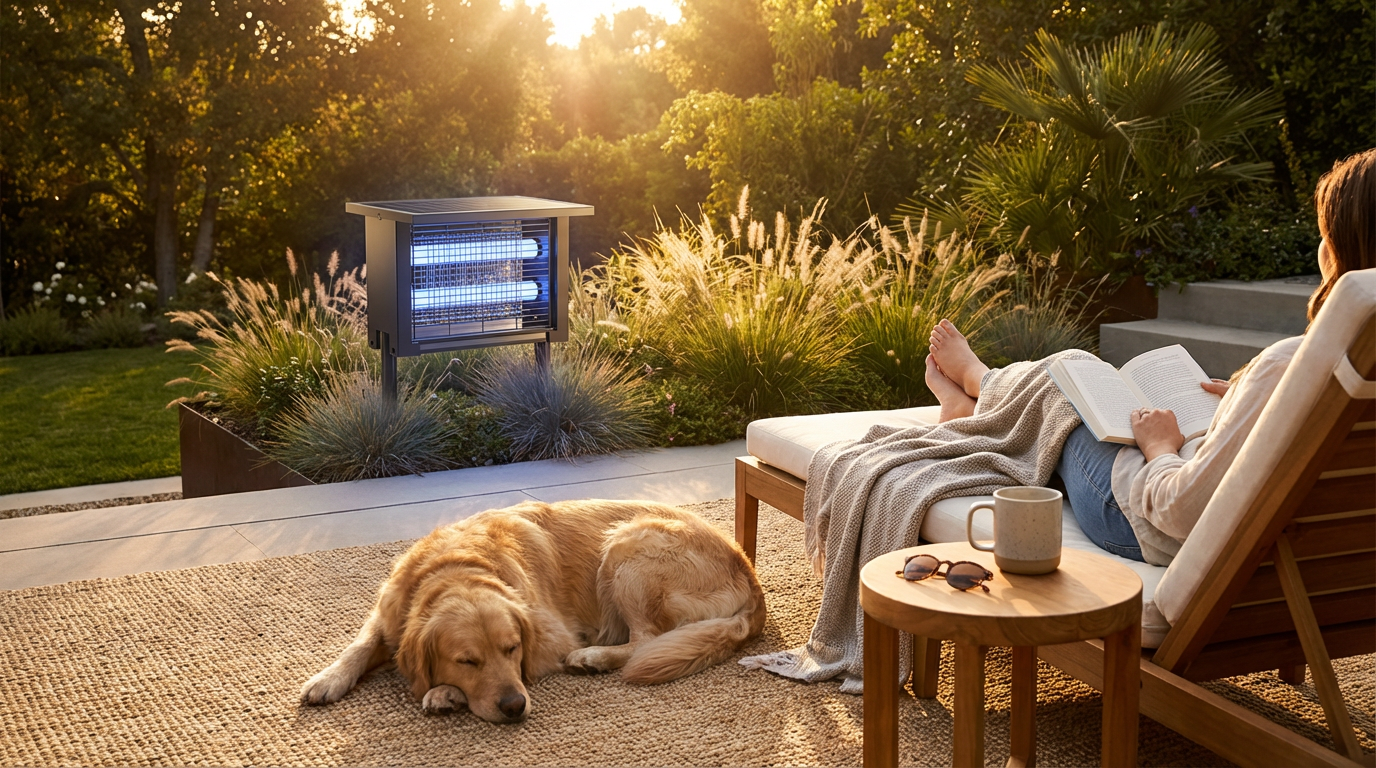
The hum of a mosquito, the sting of a wasp – outdoor pests can ruin a perfectly good evening. Outdoor bug zappers offer a satisfying solution, but for pet owners, a crucial question arises: are these devices safe for our beloved animals? Let's explore how to strike the right balance between pest control and pet protection.
Understanding How Bug Zappers Work
Most traditional outdoor bug zappers use ultraviolet (UV) light to attract insects. Once the insects get close, they encounter an electrified grid that zaps them, often with a audible "pop." Newer, more advanced zappers might incorporate additional attractants like octenol to draw in a wider range of biting insects.
Potential Risks to Pets

Photo by Constantine Kim on Pexels
While bug zappers are designed to target insects, pets, especially curious ones, can still be at risk:
- Electric Shock: The most obvious concern is direct contact with the electrified grid. While the voltage is typically designed to be lethal to small insects and cause only a minor, uncomfortable shock to humans, it could still be startling or even cause injury to a small, sensitive pet.
- Burn Hazard: The heat generated by some zappers, particularly older models, could pose a minor burn risk if a pet repeatedly touches it.
- Ingestion of Zapped Insects: Some pets might be tempted to investigate or even eat the deceased insects. While generally not toxic, large quantities could cause an upset stomach.
- UV Light Exposure: While unlikely to cause significant harm from occasional, distant exposure, prolonged, close-up staring into a powerful UV light could potentially irritate eyes.
Responsible Placement for Pet Safety
The key to safe bug zapper use around pets is strategic placement:
- Height is Might: Mount your bug zapper well out of reach of your pets. If you have a cat adept at climbing or a very large dog, consider hanging it from a sturdy branch or eave at a height they absolutely cannot access, even by jumping.
- Designated Pet-Free Zones: If possible, place the zapper in an area of your yard where your pets spend less time or where they are typically supervised.
- Visibility and Obstruction: Ensure there are no tempting objects nearby that a pet might climb to reach the zapper. Keep it away from pet bedding, food, and water bowls.
Choosing a Pet-Friendly Bug Zapper

Photo by Jonathan Cooper on Pexels
Not all bug zappers are created equal. Consider these factors for pet safety:
- Enclosed Grids: Look for models with smaller openings in their protective cage, making it harder for paws or noses to reach the electrified grid.
- Automatic Shut-off: Some advanced models incorporate safety features that shut off the grid if tampered with or if a larger object makes contact.
- Chemical-Free Attractants: Opt for zappers that rely solely on UV light and optional octenol, avoiding any chemical sprays or baits that could be harmful to pets.
Conclusion
Outdoor bug zappers can be an effective tool for reclaiming your yard from pesky insects. By understanding the potential risks and implementing responsible placement and selection strategies, you can ensure a safer environment for both your family and your cherished pets. Enjoy your pest-free evenings without worry!