How to Keep Bugs Away While Camping: The Ultimate Outdoor Defense Guide
Camping in the great outdoors offers fresh air, scenic views, and relaxed evenings around a campfire. However, biting insects like mosquitoes, gnats, and flies can quickly ruin an outdoor trip. Learning how to keep bugs away while camping requires a multi-layered approach combining smart site selection, camp hygiene, and active perimeter defenses.
Understanding Campsite Pest Dynamics
Insects are naturally attracted to carbon dioxide, body heat, moisture, and artificial light. When setting up camp, understanding what attracts pests allows you to create effective deterrent zones. Standing water in marshy areas or stagnant ponds serves as a primary breeding ground for mosquitoes. Densely shaded brush blocks air movement, giving insects shelter from wind.
By disrupting these environmental attractants, you significantly reduce pest pressure around your sleeping and dining quarters.
Site Selection and Natural Insect Prevention
Your first line of defense begins before pitching your tent. Choose high, elevated campsites that catch natural breezes. Air currents make flying difficult for small insects and dilute the concentration of human scent.
Keep your cooking setup and food waste storage away from your tent. Food scraps, sugary beverages, and trash attract wasps, ants, and flying pests. Always store trash in sealed bags and clean food surfaces immediately after meals.
Active Physical and Electrical Insect Barriers
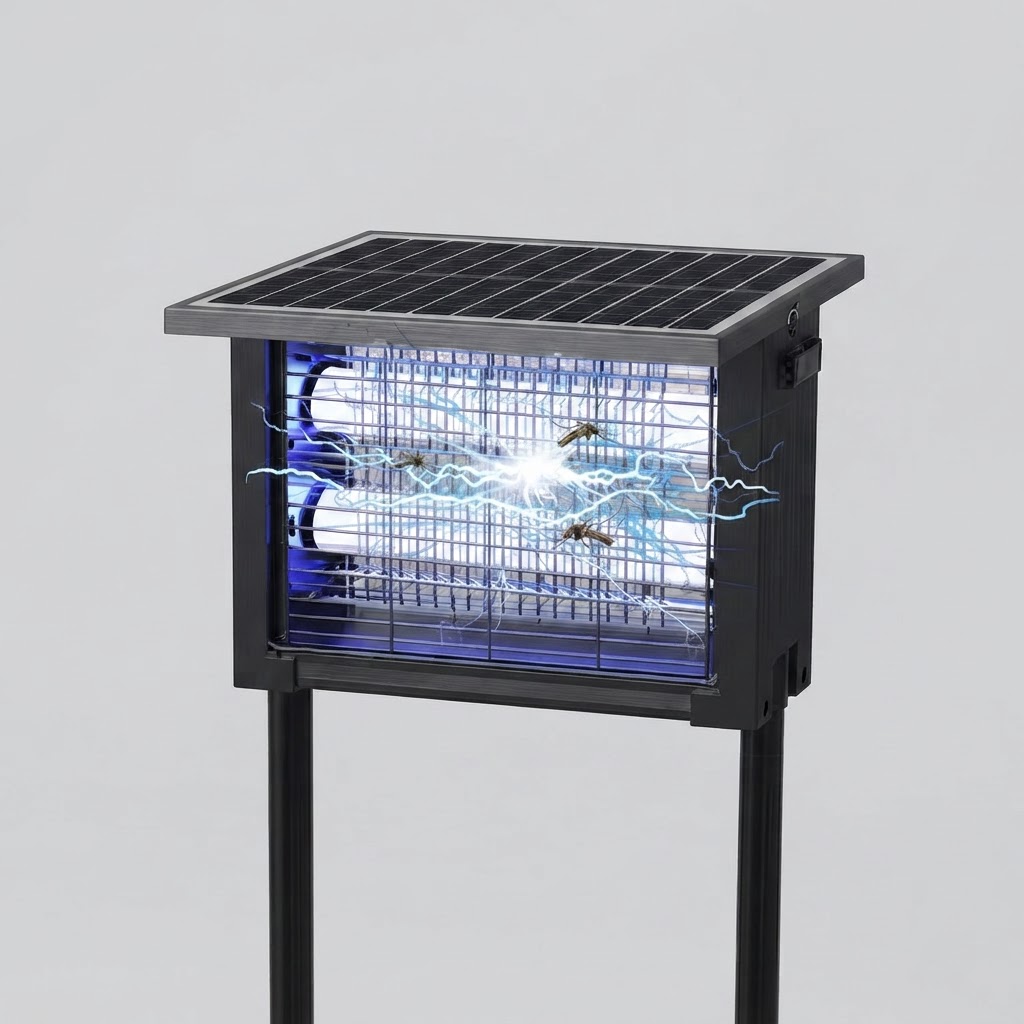
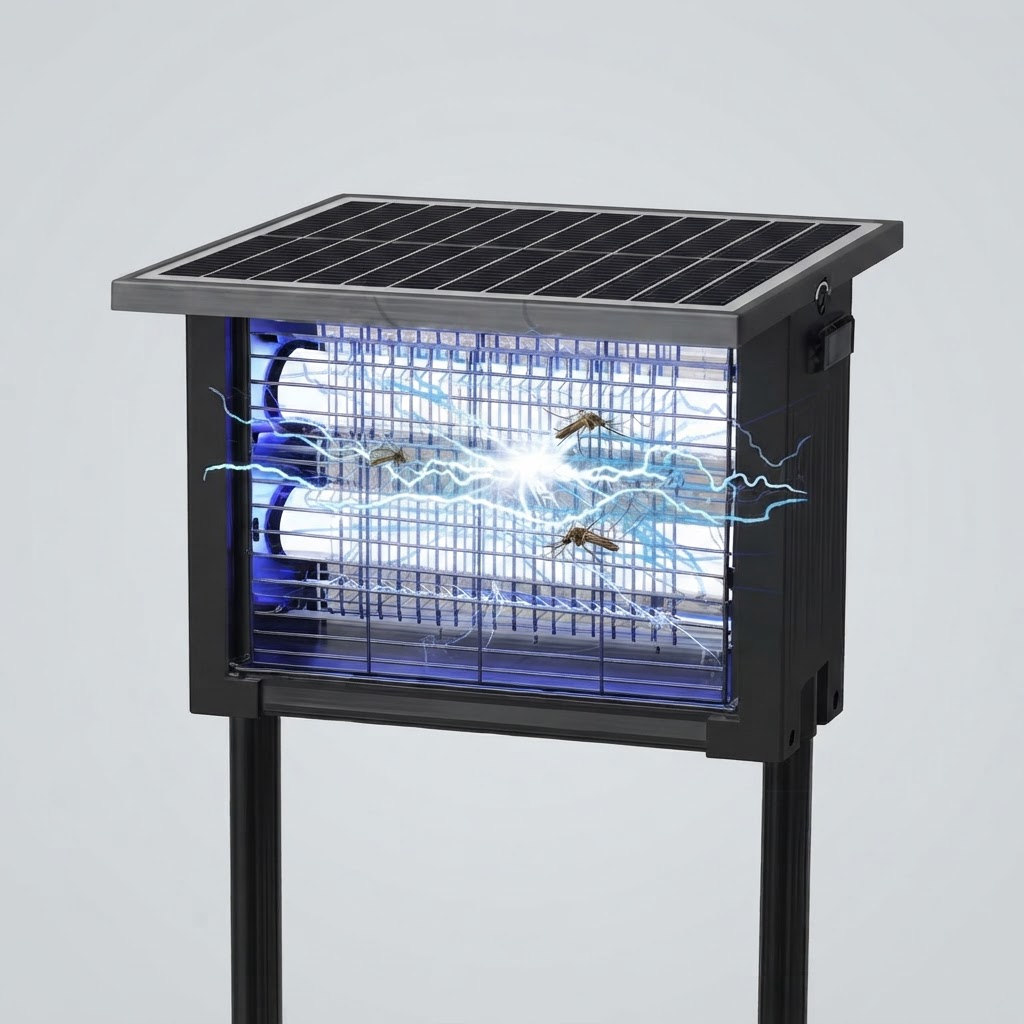
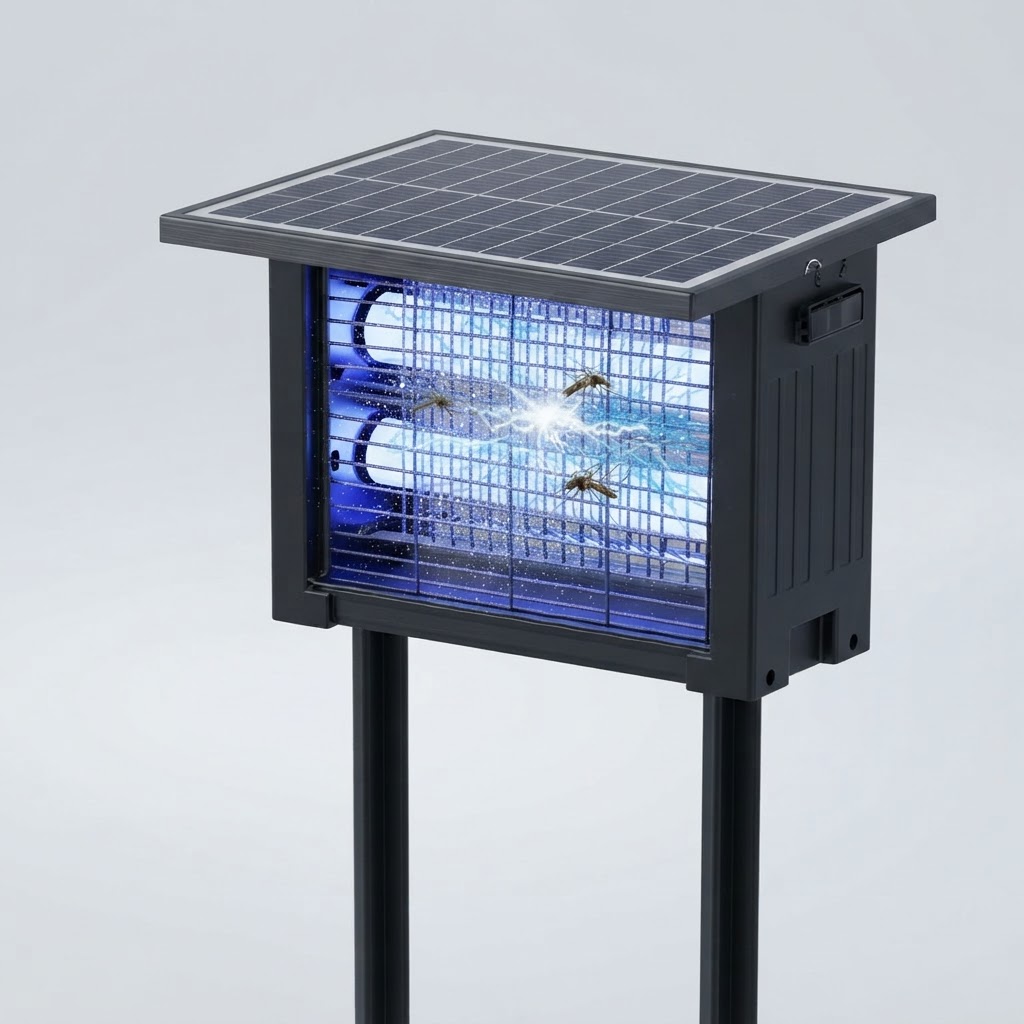
While site placement helps reduce pest volume, active barriers provide dependable protection for your central living area. Employing a high-performance solution like the Outdoor Bug Zapper establishes an active perimeter.
To optimize safety and efficacy, position your device at a distance from tent feet of 15-20 feet and elevate it to a hanging height feet of 6-8 feet. This strategically draws flying insects away from your living space rather than luring them toward your sleeping area. Featuring a coverage area sq ft of 1,000 sq ft, a single unit covers large campsites effectively. With a grid material type made of Stainless Steel and a feature set including a 4500V electric shock mechanism, pests are eliminated instantly upon contact.
Managing Lighting and Solar Energy Systems
Standard bright white lantern lights act as beacons for night-flying insects. Controlling your illumination footprint reduces insect draw to your campsite.
Utilizing a wireless device with solar energy powered features allows you to harness renewable light without relying on camp outlets. The integrated panel sensor automates operation, engaging the grid as ambient light fades. With a charge time hours of 6-8 hours under sunlight, the device provides a battery life hours of 8-12 hours of continuous evening coverage. Portable and wireless design allows effortless repositioning as activities shift from dining table to fire pit.
Best Practices for Bug Zapper Maintenance and Safety
Proper care ensures long-term reliability during backcountry excursions. Equipment designed with an IPX4 waterproof rating stands up to dew, humidity, and light rain without short-circuiting.
Regularly clear insect debris from the central grid to maintain maximum electrical conductivity. Utilizing the cleaning brush tool included with your device keeps the internal elements clear without damaging delicate wiring. Weighing a product weight lbs of 2 lbs, carrying efficient defense gear adds minimal bulk to your pack setup.
By combining proactive site placement, proper light control, and continuous electrical perimeter defense, you can ensure your next outdoor camping trip remains comfortable and bug-free.
Related in this cluster
- How to Set Up Your Campsite to Avoid Mosquitoes
- How Solar Bug Zappers Work for Campsite Protection
- Portable Solar Bug Zappers vs. Chemical Mosquito Sprays
- Essential Camping Bug Zapper FAQs
- 5 Essential Tips for Pest-Free Wilderness Camping
- Solving Campsite Pest Problems with 4500V Electric Protection