Campsite Placement & Maintenance Guide for Solar-Powered Bug Zappers
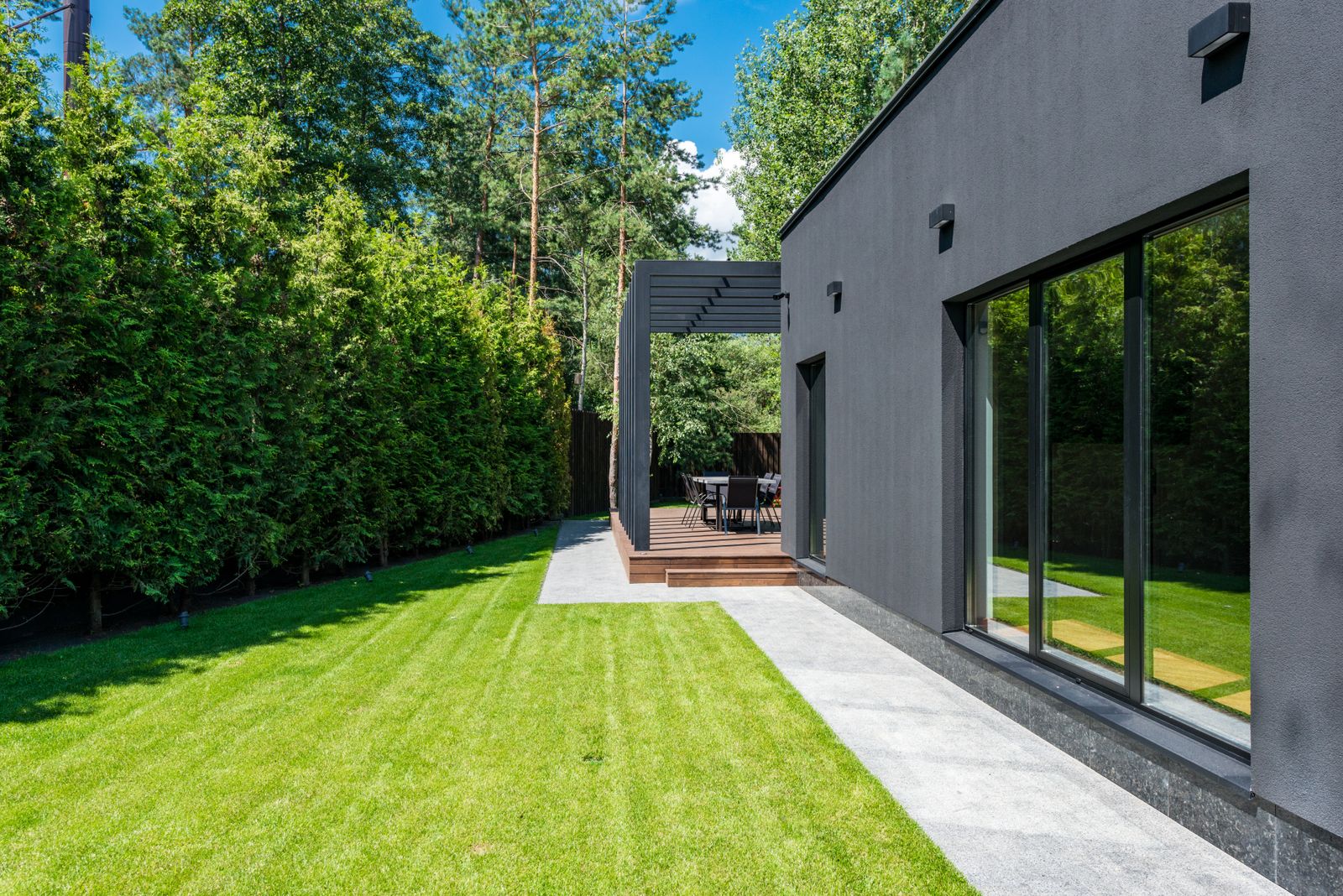
Follow the 20 to 25 foot rule: Position your 4500V solar bug zapper 20 to 25 feet away from tents and dining areas, elevated 5 to 7 feet above the ground, and downwind of camp center. Ensure the solar panel gets 4 to 6 hours of unshaded sunlight daily to maintain overnight high-voltage performance.
Essential Field Rules at a Glance
- Maintain a 20 to 25 foot perimeter distance from sleeping and eating zones.
- Elevate the device 5 to 7 feet off the ground downwind from camp.
- Provide 4 to 6 hours of unshaded sunlight for solar charging.
- Perform daily dry-brushing on the 4500V grid to prevent voltage degradation.
- 20-25 Foot Buffer Zone: Never hang a 4500V bug zapper directly on a tent or dining canopy; UV light lures flying insects toward the light source.
- 5-7 Feet Elevation: Hanging the unit at average insect flight clearance (5 to 7 feet) maximizes interception rates by up to 80%.
- 4-6 Hours Direct Sunlight: Photovoltaic panels require unshaded solar exposure to charge the internal lithium power cell for all-night 4500V grid operation.
- Daily Dry-Brushing: Charcoal-like insect build-up bridges internal wire gaps, causing voltage drops from 4500V down to under 2000V if uncleared.
Campsite Setup & Daily Maintenance Checklist
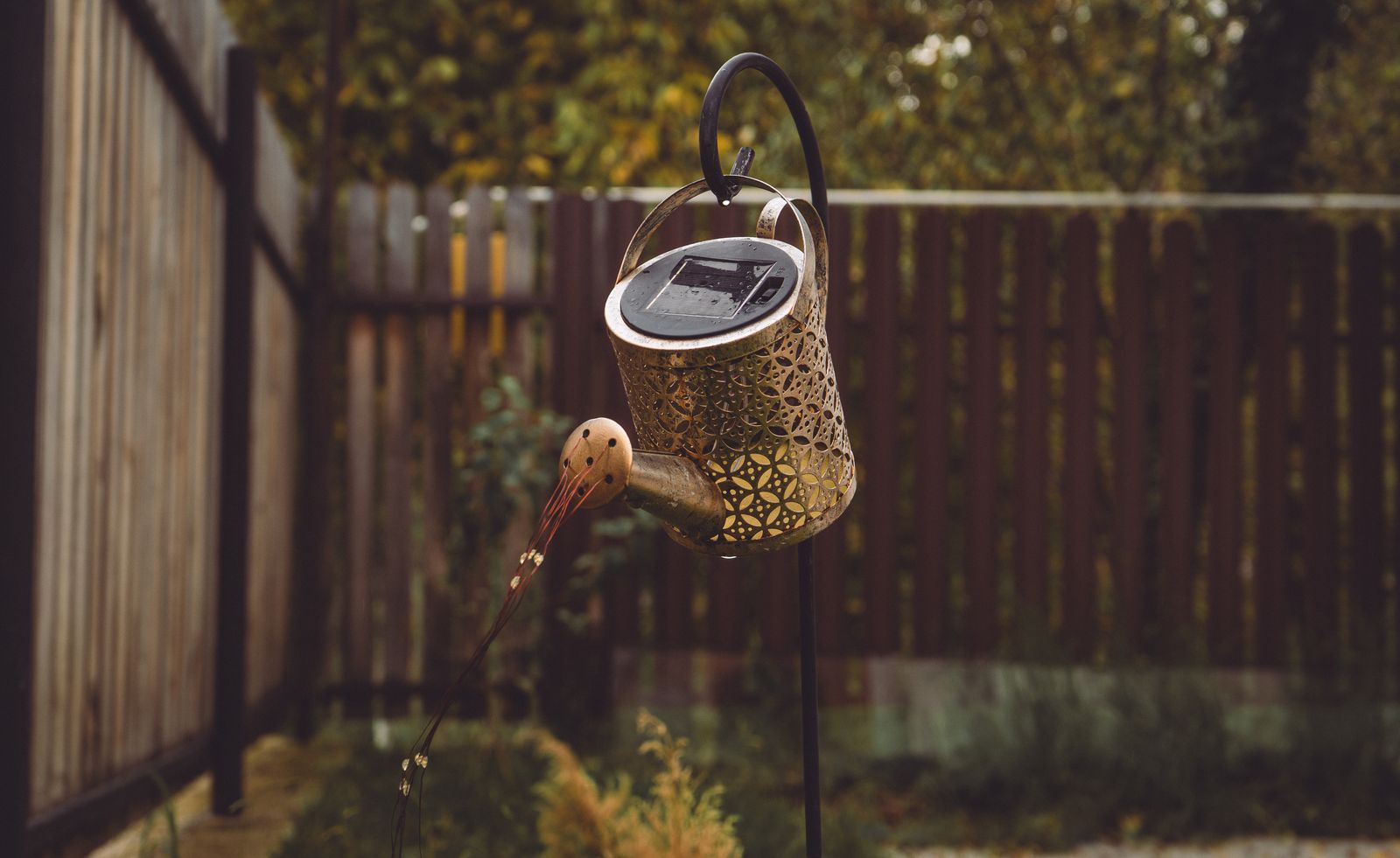
Photo by Gurgenidze G on Pexels
- [ ] Select a placement point 20 to 25 feet away from tent entrances and picnic tables.
- [ ] Ensure location is downwind from the main camp gathering space.
- [ ] Hang the zapper 5 to 7 feet off the ground using a sturdy branch or trip-pod pole.
- [ ] Verify direct line of sight to the southern sky for 4 to 6 hours of solar charging.
- [ ] Confirm integrated dusk sensor is clear of mud, dust, or pitch.
- [ ] Power down device before performing any maintenance or grid cleaning.
- [ ] Use included soft brush to clear bug build-up off 4500V grid daily.
- [ ] Wipe solar panel top with damp microfiber cloth to remove dust layer.
Printable Field Guide Cheat Sheet
- DISTANCE: 20-25 feet away from human activity.
- HEIGHT: 5-7 feet above ground level.
- WIND DIRECTION: Downwind of campfire/tent zone.
- SOLAR ORIENTATION: South-facing, 4-6 hours direct sun exposure.
- GRID VOLTAGE: 4500V output requires daily clearing of charred bugs.
- PANEL CARE: Clean resin or dust with isopropyl alcohol / dry microfiber.
- RAIN PRECAUTION: IPX4 rated; power down if heavy downpours cause continuous grid arcing.
Pro Tip: Managing Tree Resin & Dusk Light Sensors
When camping under pine, fir, or spruce canopies, airborne tree sap droplets create a micro-film over both the top solar panel and the integrated 10-lux ambient light sensor. A 0.5mm sap layer can reduce photovoltaic solar conversion efficiency by 40% to 60%, leaving your unit undercharged by dusk. Furthermore, sap on the dusk sensor tricks the device into sensing darkness during daylight, wasting precious battery capacity when insects are inactive. Field solution: Carry a small 2-ounce spray bottle of 70% isopropyl alcohol and a microfiber cloth. Wipe the top housing every 24 hours at morning pack-out.
4500V High-Voltage Field Troubleshooting Matrix
| Symptom / Issue | Probable Cause | Measured Impact | Corrective Action |
| --- | --- | --- | --- |
| Grid not zapping / faint pop sound | Debris bridging 4500V grid or battery low (<3.2V) | Voltage drops below lethal 4000V threshold | Power down, safely discharge grid, clear debris with dry brush, recharge via solar/USB |
| UV Light shuts off after 2-3 hours | Solar panel received < 3 hours direct sunlight | Battery depletion prior to midnight peak mosquito activity | Relocate zapper to south-facing canopy opening receiving 4-6 hours direct sun |
| UV LED turns on during daylight | Light sensor obscured by dust, mud, or tree sap | Wastes 30-40% of stored battery capacity before nightfall | Wipe ambient light sensor eye with clean, dry microfiber cloth |
| Rapid continuous electrical snapping | Raindrops or large moth body bridging 4500V wires | Rapid battery drain and thermal grid stress | Power down unit, allow to dry or brush out bridged carcass before turning back on |
Diagnose and resolve common campsite bugs and hardware issues in real-time:
Field Maintenance & Solar Panel Cleaning Schedule
- Daily (08:00 AM) — Wipe top solar panel with dry microfiber cloth to remove overnight dew, dust, and pollen layer.
- Daily (18:00 PM) — Inspect dusk sensor clarity and confirm 365nm UV LED turns on automatically as ambient light drops below 10 lux.
- Every 3 Days — Power off unit, discharge residual electricity, and use non-conductive plastic brush to dislodge charred insects from the 4500V grid.
- Post-Trip Storage — Clean sap using isopropyl alcohol, top off battery via USB power bank to 100%, and store in a dry, room-temperature container.
Positioning Matrix: Perimeter vs. Living Zone Placement
| Placement Parameter | Perimeter Zone (Recommended) | Living Zone Placement (Avoid) |
| --- | --- | --- |
| Distance to Tent / Table | 20 to 25 feet away | 0 to 10 feet away |
| Hanging Height | 5 to 7 feet above ground | Under 4 feet or directly on tent frame |
| Wind Alignment | Downwind of human seating | Upwind of human seating |
| Solar Exposure | 4 to 6 hours direct sunlight | 0 to 2 hours (dense tree canopy) |
| Insect Control Vector | Draws mosquitoes away from humans | Attracts flying pests directly into living space |
| Safety Distance | Safe from nylon tent fabrics & children | Fire/burn risk from high-voltage contact |
Compare tactical perimeter setup versus common living-zone positioning mistakes:
Recommended Off-Grid Defense Gear
Equip your campsite perimeter with high-voltage solar defense designed specifically for portable, chemical-free pest management:
Visualizing Campsite Defense & Solar Exposure Zones
Use these visual schematics to plan your campsite perimeter layout and safely maintain your high-voltage bug zapper:
Interactive Tool: Campsite Placement & Solar Exposure Calculator
Calculate your minimum placement buffer and required solar exposure based on campsite canopy cover and tent footprint:
5 High-Voltage Camping Mistakes to Avoid
Avoid these 5 critical deployment mistakes that reduce zapper performance or introduce hazards:
Campsite Deployment Timeline: From Setup to Pack-Out
- 14:00 (Arrival) — Identify south-facing solar hanging spot 20-25 ft away downwind from tent pad.
- 14:15 - 18:00 — Hang unit at 5-7 ft height to catch 3-4 hours of late afternoon direct sunlight.
- 18:30 (Dusk) — Integrated photo sensor automatically activates 365nm UV light and charges 4500V grid.
- 07:30 (Morning) — Check solar panel surface for tree sap, dust, or dew; wipe clean with microfiber cloth.
- 10:00 (Breakdown) — Ensure unit is powered off, brush off accumulated bug debris from 4500V grid, and pack securely.
Frequently Asked Questions
Find answers to technical and field safety questions regarding 4500V solar bug zappers:
Next Steps for Off-Grid Pest Defense
Your decision: Choose the optimal perimeter hanging location downwind and away from sleeping quarters prior to sunset.
Do this next: Set up your 4500V bug zapper 20-25 feet from camp center during initial campsite setup to allow 4+ hours of afternoon charging.
Related resource: Download the printable campsite bug defense checklist for off-grid trips.
Outdoor Bug Zapper (Pack) — Featuring 4500V grid, built-in solar panel, and rugged portable hook for tree limbs and tent poles.
Take action today to secure your campsite perimeter before your next wilderness adventure: