Solar Bug Zapper Efficiency vs. 4500V Grid Reality
 Maya ChenContributing Editor
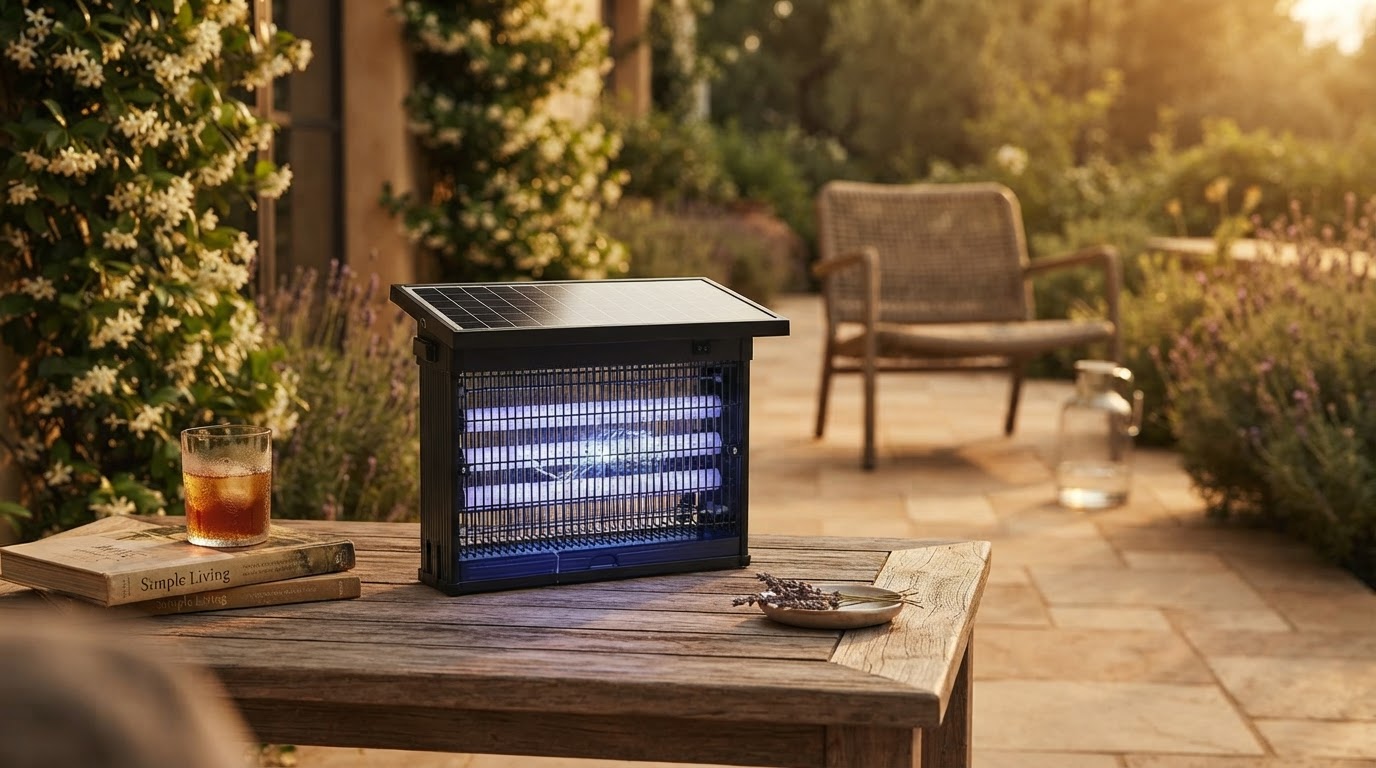
September 27, 2026 — The market for solar-powered insect control is currently reacting to a significant price drop on a high-voltage portable unit. According to Slickdeals.net, BlueOcean Ventures via Amazon has listed a 4500V Solar Bug Zapper with dual panels and a 4000mAh battery for $40.19, a 40% reduction from its standard $66.99 price point when using a specific promotional code.
The conventional wisdom says that higher voltage and solar autonomy make for a set-it-and-forget-it solution for backyard pests. However, the physics of a 4500V grid powered by a 4000mAh battery suggests a different operational reality. While the Outdoor Bug Zapper unit boasts a high peak voltage, the discharge frequency is limited by the storage capacity of the internal cell. Run the math: a 4000mAh battery must sustain both the UV light attraction spectrum and the high-voltage transformer; in high-density insect environments, the rapid succession of discharges can deplete these reserves faster than dual small-form solar panels can replenish them during daylight hours.
According to Slickdeals.net, the unit relies on dual solar panels to maintain its wireless functionality. For users in the Pacific Northwest or heavily shaded areas, this creates a deficit in the energy budget. The Outdoor Bug Zapper design is intended for portability, but its effectiveness remains tethered to consistent UV output. If the battery drops below critical levels, the 4500V grid becomes a passive ornament. We have previously analyzed how charging cycles affect zapper longevity and the limitations of solar panels in wooded areas.
Expert tip: To maximize the lifespan of a 4000mAh system, disable the automated sensor during periods of heavy rain or overcast skies. This preserves the battery for peak mosquito activity hours at dusk rather than wasting cycles on daytime operation when solar gain is insufficient to offset the 4500V draw. Understanding how voltage impacts insect kill rates and proper placement for solar zappers is essential for getting any value out of a $40 investment.
I'll change my mind when independent laboratory testing demonstrates that dual-panel solar arrays of this size can fully recharge a 4000mAh battery from 20% to 100% within a standard 8-hour window of indirect sunlight. Until then, these devices remain supplementary rather than primary pest control solutions.