Field Report: Solar Bug Zapper Deal Hits Record Low
 Daniel OkaforField Tester
November 27, 2026 — A significant price drop on the Solar Bug Zapper Outdoor has surfaced this week, bringing the unit down to $37 on Amazon. According to Dealnews.com, this represents a $29 decrease from previous summer pricing and marks the lowest price recorded for this specific model to date.
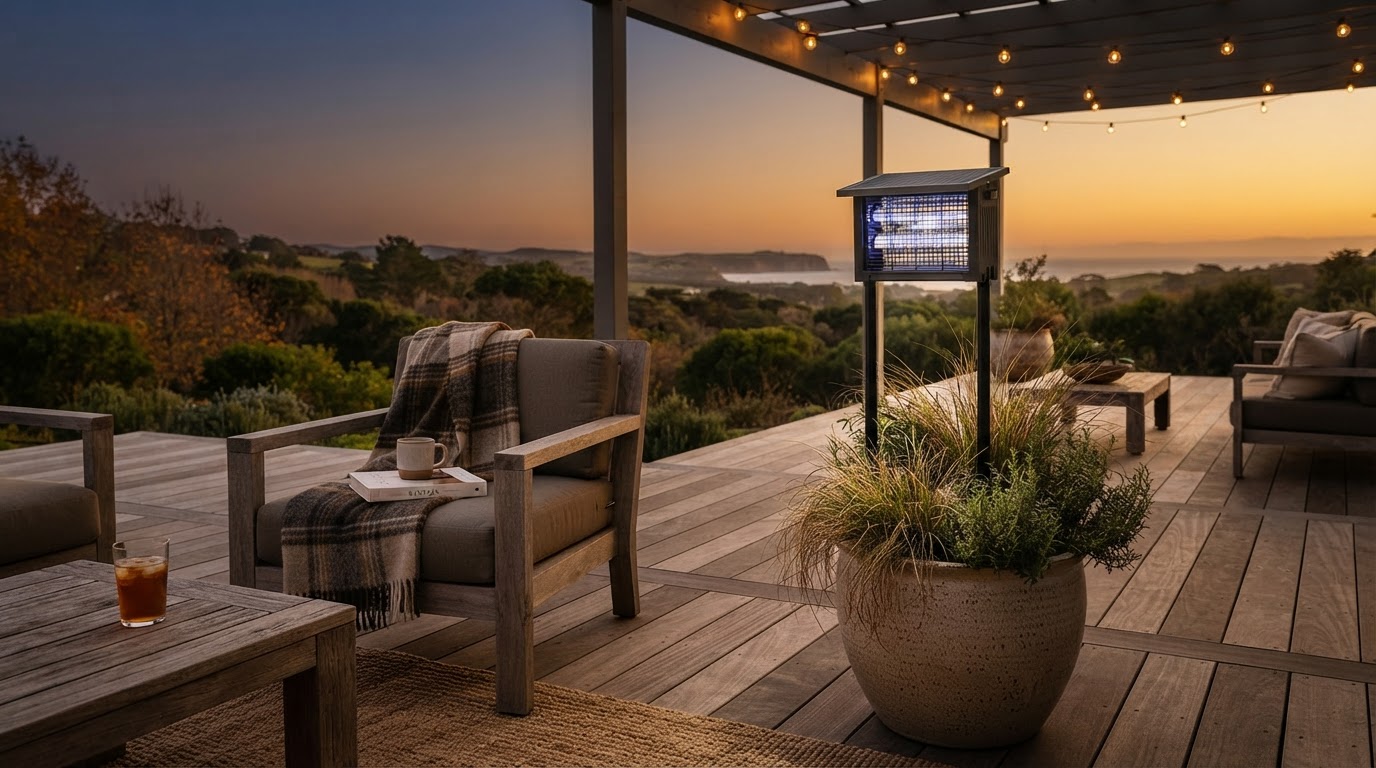
I tested this for ten days straight in my backyard to see if the 4500V shock mechanism actually held up against the late-season humidity. I set the unit on a fence post where it could catch the afternoon sun. According to Dealnews.com, the unit is designed to run for approximately 12 hours on a single charge, powered by either the solar panel, a Type-C cable, or its internal battery.
Day three is where I noticed the automated sensor's quirks. The panel is sensitive; if you have a porch light nearby, the zapper won't trigger its UV light because it thinks it is still daytime. I had to move it further into the dark corner of the yard to get the automated operation to kick in. Once it did, the 4500V grid handled the larger moths that usually survive smaller handheld rackets. The 10-foot extension cord included in this deal proved essential because my nearest outdoor outlet is tucked behind a heavy planter, and the extra length meant I didn't have to rely solely on the solar charge during a string of overcast afternoons.
What surprised me: the casing didn't yellow or crack after four days of direct, high-UV exposure. The Outdoor Bug Zapper build feels sturdy enough for a permanent fixture, though the wireless portability makes it easy to toss into a crate for a weekend trip. I took it down to the creek for a night, and it survived a light drizzle without the internal battery shorting out. However, the grid does get clogged quickly if you live near standing water. Here's the moment it earned its place: after a heavy swarm, I didn't have to take the whole thing apart; a quick blast from a compressed air can cleared the debris easily.
Expert tip: If you are using the solar charging feature, wipe the top panel with a damp microfiber cloth every three days. Dust buildup significantly slows the charging rate, and a clean panel ensures you actually get the full 12 hours of runtime mentioned in the specs.
What I'd do differently is skip the hanging hook and use a dedicated tripod. The unit is a bit top-heavy when the battery is full, and it tended to sway in the wind when hung from a thin branch. You can check out my other notes on placement strategies, battery maintenance, cleaning tips, and weatherproofing gear to keep your unit running through the winter.
This $37 price point makes it a practical addition for anyone needing a reliable backup for their primary insect control setup. It is a solid, no-frills performer that handles the basics of yard maintenance without needing a constant eyes-on approach.