Solar Bug Zapper Market Analysis and Value Framework
 Priya RamanSenior Analyst
November 28, 2026 — A significant price shift in the portable pest control market has emerged as solar-powered units reach new historical lows. According to Dealnews.com, a Solar Bug Zapper Outdoor model featuring a 10-foot extension cord is currently retailing for $37, representing a $29 decrease from previous seasonal pricing.
To evaluate this market shift, we must look beyond the price tag. Think of it as a matrix of two primary axes: Energy Autonomy and Discharge Intensity. Energy Autonomy measures the device's ability to remain functional without grid intervention, while Discharge Intensity refers to the voltage required to neutralize specific insect classes. When these dimensions are mapped, consumers can categorize devices into three tiers: entry-level solar, high-voltage portable, and industrial stationary units. The decision rule: prioritize high-voltage discharge for agricultural settings, but select high autonomy for remote camping.
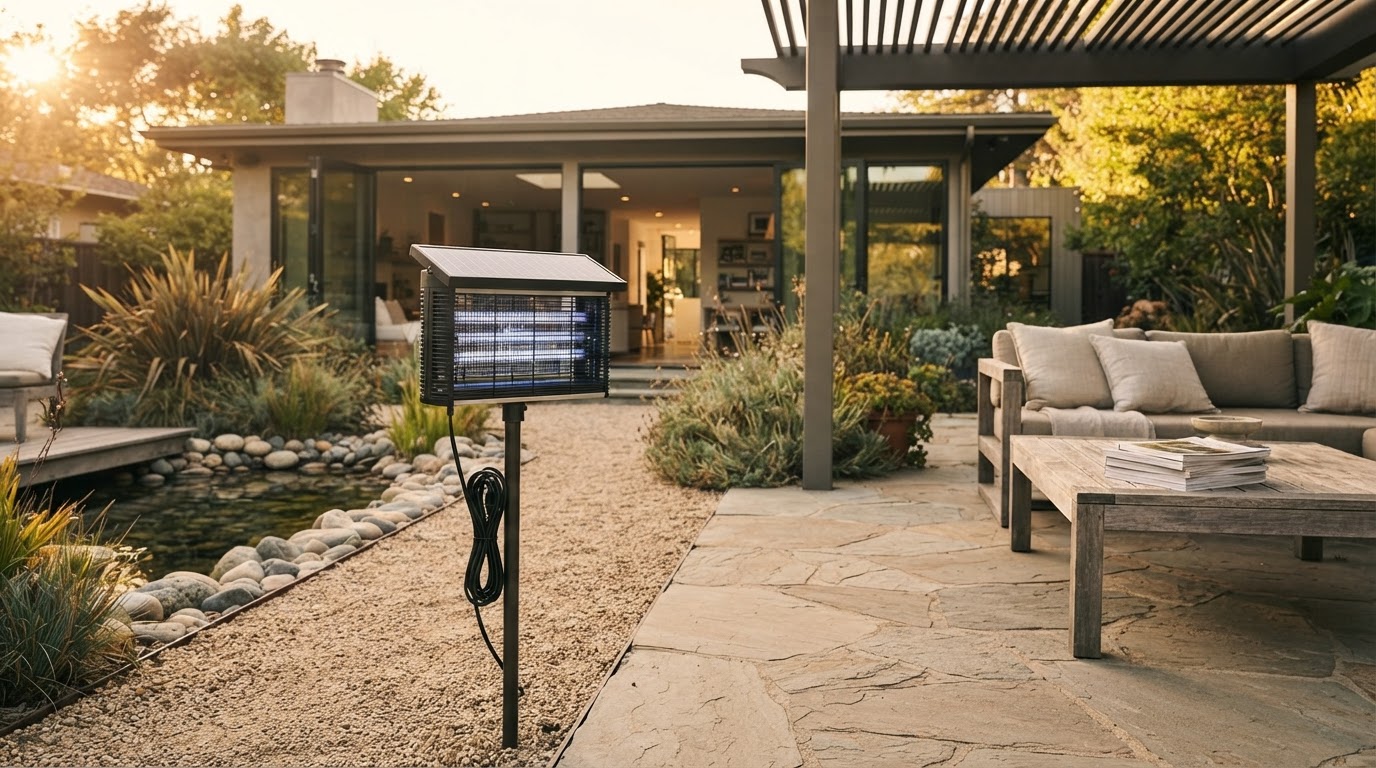
According to Dealnews.com, the current trending unit offers three power modes—solar, Type-C cable, and a rechargeable battery—providing approximately 12 hours of operation per charge. This versatility aligns with the increasing demand for portable bug zappers that can transition between backyard patios and off-grid campsites. The inclusion of a 10-foot extension cord addresses a common pain point in the solar charging placement cycle, allowing the solar panel to remain in direct light while the zapper operates in shaded areas.
Once you see it this way, the Outdoor Bug Zapper becomes a benchmark for the high-intensity tier. While budget models focus on price, the Outdoor Bug Zapper utilizes a 4500V electric shock mechanism. This higher voltage is critical for ensuring that larger pests are eliminated instantly rather than merely stunned, a common failure point in lower-voltage insect control devices. The integration of a panel sensor further enhances efficiency by automating operation based on ambient light levels.
Expert tip: When utilizing a solar-powered unit, always perform a deep charge via Type-C before the first use. While solar panels are excellent for maintaining a charge, they often lack the surface area to recover a fully depleted battery in a single day of indirect sunlight. Maintaining a baseline charge ensures the automated sensor operation functions reliably through the night.
This pricing trend indicates a maturation of solar pest technology, making high-voltage protection more accessible for the average consumer.