
Solar Bug Zappers vs. Battery-Powered Zappers: Which Is Better for Campsites?
Solar bug zappers are better than battery-powered zappers for most campsites because the panel refills the pack in 6–8 hours of sun and you are not hunting AA cells at dusk. Battery-powered units still win a fully shaded canyon if you packed spare cells. Which is better depends on sky, not marketing. A portable 4500V solar insect zapper with an integrated panel sensor, IPX4 hang, and about 8–12 hours of runtime is the default for open pads. Hang either type 6–8 feet high and 15–20 feet from the tent.
Better is the system you can recharge without a store run.
How the two power sources behave
Solar energy powered zappers carry a panel and a pack. Charge 6–8 hours, run about 8–12 hours, cover about 1,000 sq ft when hung. The sensor should sleep the grid by day so efficiency stays honest.
Battery-powered zappers skip the panel. They are simple until the tray is empty. Alkaline cells add waste and leak risk. USB power-bank zappers are “battery-powered” in practice — they drain the bank you wanted for phones.
Compare related pairings in the solar vs battery-powered bug zapper comparison and the solar vs battery bug zapper camping comparison.
Solar vs battery-powered at campsites
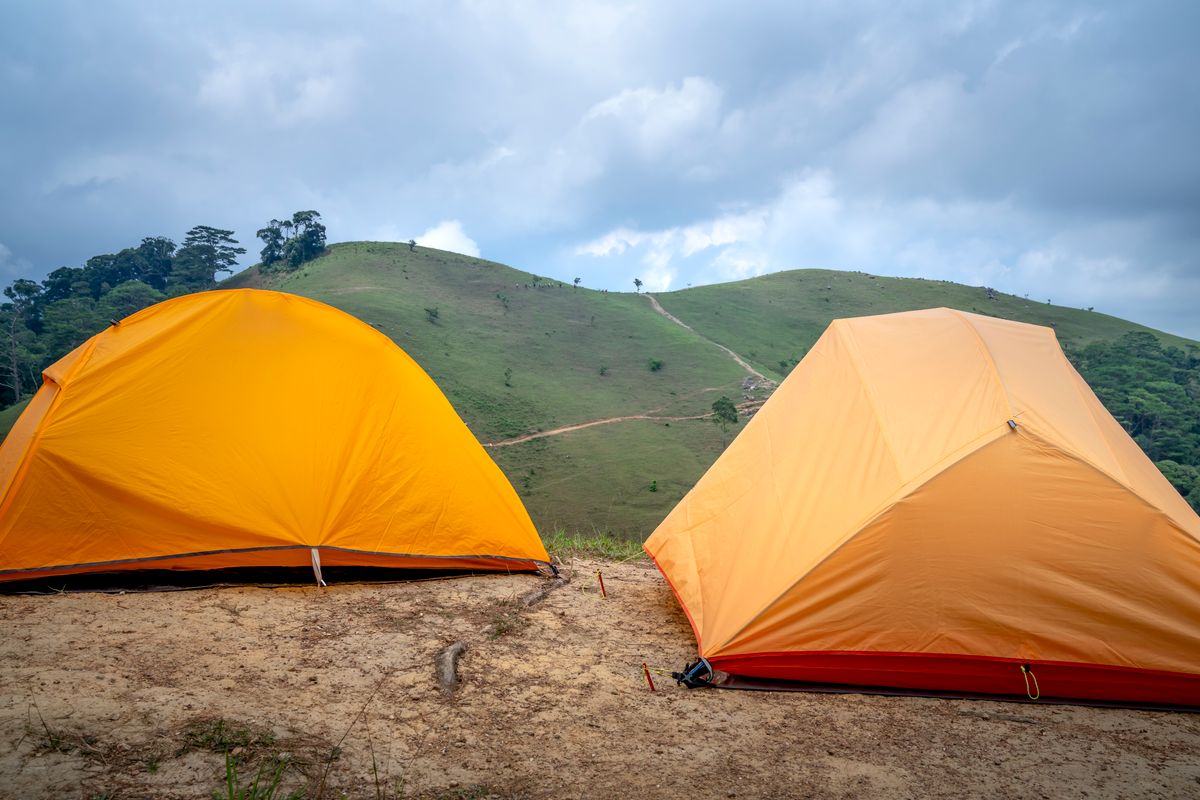
Photo by Quang Nguyen Vinh on Pexels
| Factor | Solar bug zappers | Battery-powered zappers | | --- | --- | --- | | Fuel | Sky, 6–8 h | Cells or a power bank | | Runtime | About 8–12 h | Until the tray dies | | Weight | ~2 lb hang including panel | Varies; spares add up | | Shade | Weak unless you walk to sun | Still runs | | Waste | No dump of empties | Foil and acid risk | | Sensor | Dusk-to-dawn possible | Often a manual switch | | Weather | IPX4 hang | Trays hate wet | | Best campsite | Open or mixed sky | Deep canopy, short trip |
Which is better for a week-long off-grid stay? Solar, if you give the panel a sun patch. Which is better for a one-night ravine? Battery-powered, if you packed cells.
Hang and safety stay the same
Neither power source makes a tabletop hang smart. 6–8 feet high, 15–20 feet from sleep, power off before brushing the stainless-steel grid. Kids and pets do not care whether the 4500V came from sun or cells.
For RV-specific power notes, see the solar vs battery bug zapper for RV camping comparison. For charging faults on the solar side, use the how to power a bug zapper off-grid guide.
Placement, charging, and safety checklist
- [ ] Pick solar unless the site is full shade all day.
- [ ] If solar: 6–8 hour sky charge; uncover the sensor.
- [ ] If battery-powered: pack spare cells in a dry bag, not a pants pocket.
- [ ] Hang 6–8 feet high, 15–20 feet from tents.
- [ ] Keep the 2 lb cage off the picnic table.
- [ ] Power off before cleaning.
- [ ] Respect IPX4; do not drown a battery tray.
- [ ] Pack out dead cells; do not bury them.
- [ ] Do not drain the phone bank unless that was the plan.
Frequently asked questions
Photo by Blank Space . on Pexels
Are solar bug zappers always better for campsites?
They are better when sky exists. Battery-powered is the shade exception, not the default.
Can I run a solar unit on USB like a battery-powered one?
Many accept USB backup after cloudy days. The design intent is still the panel.
Which lasts more nights without a store?
Solar, because morning sun is the store. Cells run out.
Do battery-powered models have weaker grids?
Not necessarily. The 4500V class is a grid spec. Power source is the refill spec.
Will either eliminate all mosquitoes?
No. Power source does not change that limit.
Related reading
- Solar vs battery-powered bug zapper comparison
- Solar vs battery bug zapper camping comparison
- Solar vs battery bug zapper for RV camping comparison
- How to power a bug zapper off-grid
What to do next
Choose solar bug zappers for campsites with any real sky, and keep battery-powered zappers for deep shade trips where you already carry cells. Hang 6–8 feet high, 15–20 feet from the tent, and charge 6–8 hours if you went solar. Which is better is the refill you can actually complete before dusk.
Cover photo by Ahmet ÇÖTÜR on Pexels.