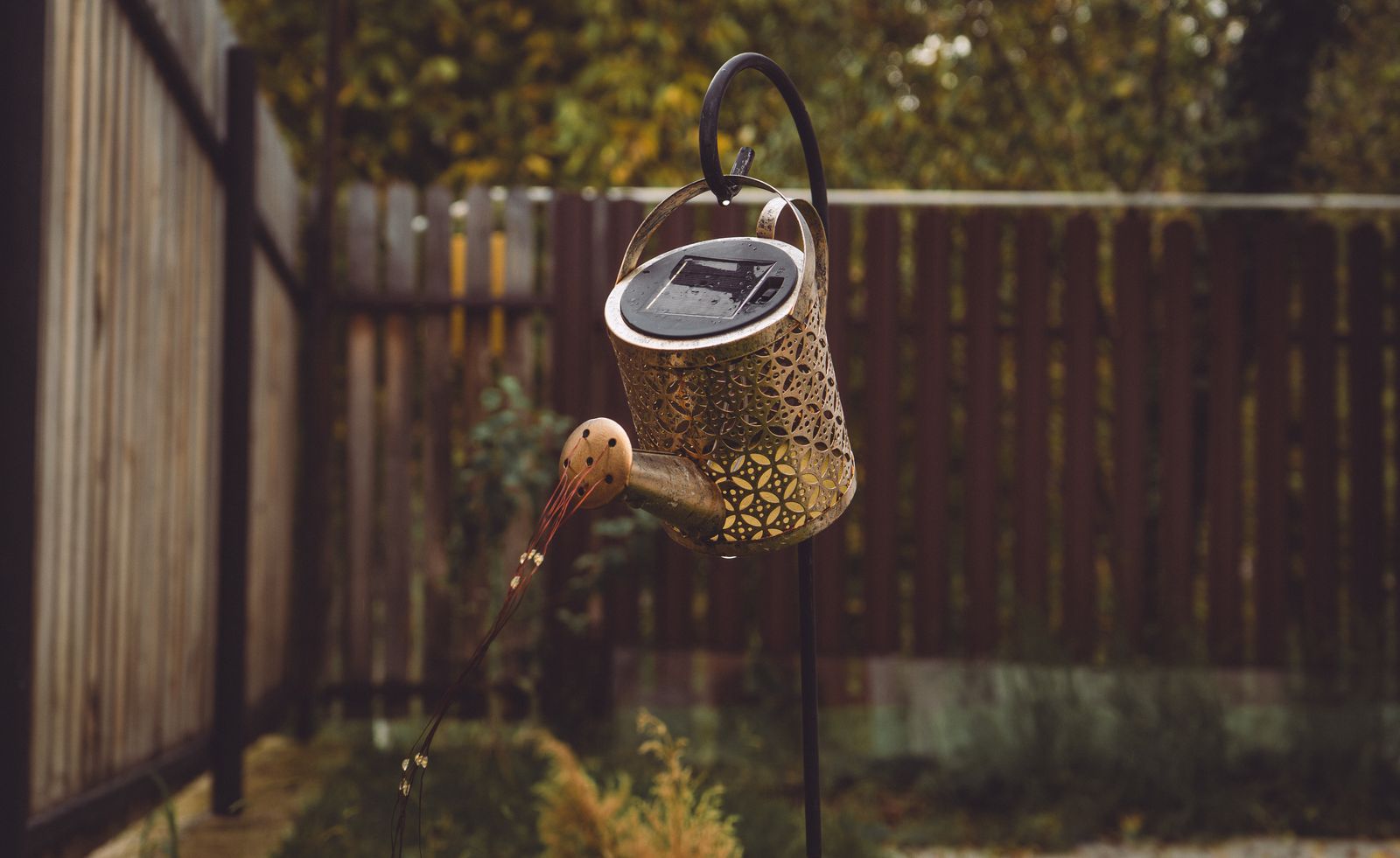
Solar vs. Battery-Powered Bug Zappers: Which Power Source Wins at a Campsite?
A solar bug zapper charges itself from daylight and stores that energy in an internal battery, so it never needs an outlet or a fresh set of cells. A battery-powered zapper runs on disposable or swappable cells that you carry in, keep dry, and pack out. For any trip longer than a single overnight, solar is the cheaper and lighter option, and battery units earn their place mainly as a backup for deep shade, long rainy stretches, or short winter days.
What actually differs between the two power sources
The zapping hardware is often the same in both. Each type builds a high voltage across a metal grid and discharges it when an insect bridges the gap. The Outdoor Bug Zapper uses a 4500V electric shock mechanism, and that mechanism behaves the same way no matter how the energy reached it. What changes is the supply chain behind the grid, and that is what decides whether the unit is still working on night four of a trip.
Solar models carry a photovoltaic panel on top and a rechargeable cell inside. Daylight tops the cell up while nothing is happening; the cell then runs the grid after dark, which is exactly when mosquitoes and midges are most active. Many solar units, including this one, add an integrated panel sensor so the device reads ambient light and switches itself on at dusk. That matters more than it sounds on a campsite, because it removes the walk back out to the perimeter at the moment the bugs arrive.
Battery models skip the panel entirely. All of their energy arrives in your pack, which makes them predictable but finite. Two AA cells weigh little; two AA cells per night for a week is a different conversation, and the empties come home with you.
Solar vs battery powered bug zapper: side-by-side
Photo by cottonbro studio on Pexels
| Factor | Solar-charged | Disposable-battery | Mains or USB recharge | |---|---|---|---| | Works with no outlet | Yes | Yes | Only where power exists | | Ongoing cost after purchase | None | Cells, every few nights | Small, if you have power | | Weight over a week | Fixed | Grows with spare cells | Fixed, plus a cable | | Needs daylight | Yes | No | No | | Waste generated | Minimal | Spent cells every trip | Minimal | | Unattended operation | Strong, especially with a light sensor | Runs until cells die | Tethered to a cable | | Best use | Multi-night camping, patios, sheds | Shaded or winter sites, backup | Base camp with a generator or hookup |
Read the table as a match between site and power source rather than a ranking. An open meadow in July is close to ideal for solar; a closed hardwood canopy in October is not.
How much sun does a solar zapper really need
Enough direct daylight on the panel to refill what the previous night drained. That is the whole rule, and it is why panel placement beats panel size in practice. Three factors dominate:
- Direct versus filtered light. A panel in dappled shade collects a fraction of what the same panel collects in open sun. Moving a unit two meters into a clearing often does more than any setting.
- Angle. Panels are most efficient when light hits them close to straight on. If the unit sits flat, it will still charge, but a spot with a long, unobstructed midday exposure helps.
- Season and latitude. Shorter days mean less collection and longer nights of draw at the same time, which is the squeeze that makes late-autumn camping the hardest case for solar.
Where battery-powered units still make sense
Battery units are the honest answer in four situations. In dense forest or a narrow canyon, there may be nowhere on the site with useful sun. On a multi-day rain event, collection drops sharply just as damp conditions push mosquito activity up. In deep winter, daylight is short and cold reduces the working capacity of most cells. And a small battery unit is a reasonable second line if your primary is charging poorly.
The trade is consumables. Batteries are the single largest source of trip waste for many campers, and dead cells left in a fire ring or a pit toilet are a real problem in shared backcountry areas. If you go the battery route, use rechargeables and bring them home.
Eco-friendly campsite insect control: the honest version
Removing disposable cells from the equation is a genuine environmental gain, and it is the strongest sustainability claim any solar unit can make. What it does not do is make a zapper selective. An electrified grid is indiscriminate — it will take moths, beetles, lacewings, and other harmless or beneficial insects along with the biting ones. That is worth understanding before you decide how to use one, and it is covered in more depth in whether outdoor bug zapper units are harmful to the environment and in the ecological cost of a heavy duty solar mosquito trap.
Three habits reduce the collateral impact without giving up the benefit:
None of this replaces personal protection. A zapper thins the population moving through an area; long sleeves and an appropriate repellent are what keep insects off skin. Treat the two as complementary, not interchangeable, and never rely on any device to reduce disease risk from insect bites.
A five-step way to choose before a specific trip
For a fuller walkthrough of setting up a wireless unit on a site, see the portable camping bug zapper guide and tips for a bug-free campsite perimeter.
Safety notes that apply to both types
Photo by Sóc Năng Động on Pexels
High-voltage grids demand the same handling regardless of power source. Keep the unit well out of reach of children and pets, and mount or hang it rather than leaving it at ground level where a curious dog can reach it. Never push sticks, wires, fingers, or cleaning tools into the grid. Switch the device off before cleaning or moving it, and let it sit for a moment before handling. Follow the instructions supplied with your specific unit, since designs differ in how they isolate the grid.
FAQ
Does a solar bug zapper work on a cloudy day? It still collects energy, just less of it. Diffuse light on an overcast day produces a fraction of what direct sun does, so a single grey day usually passes without any noticeable effect while a long cloudy stretch can shorten nightly runtime. Giving the panel the most open, unshaded spot available is the main fix.
Can a battery zapper be more powerful than a solar one? Not inherently. Output depends on the circuit that drives the grid, not on where the energy came from. A solar unit built around a 4500V electric shock mechanism delivers that same mechanism whether the day was sunny or you had to top it up.
How long does a solar zapper run per night? That depends on how much charge went in during the day and how much the unit draws, which varies by model. A practical way to find your own figure is to check the unit at dawn for the first two or three nights of a trip and note whether it is still active.
Is a zapper enough on its own for a campsite? No. Use it as one layer among several: a zapper at the perimeter, screens or a bug shelter for eating, appropriate clothing, and a repellent for anyone outside those. Sites near standing water need more layers than dry, breezy ones.
What to do next
Look up your next campsite and decide one thing: is there a spot with several hours of open midday sun. If yes, a self-charging wireless unit with a light sensor covers you for the whole trip with nothing to carry in or pack out. If not, plan a battery unit or accept shorter nightly runtime, and put the extra effort into perimeter placement instead.
Safe Handling
The grid inside any bug zapper carries a high voltage whenever the unit is active. Switch the device off before you touch the grid, clean it, move it, or work on the panel, and use the supplied brush rather than your fingers to clear debris. Never push objects through the housing to reach the grid. Site the unit out of reach of children and pets, and follow the instructions supplied with your own device.
Cover photo by Gurgenidze G on Pexels.