How to Maximize Solar Panel Charging Efficiency on Portable Bug Zappers
To maximize solar panel charging efficiency on portable bug zappers, put the panel in 6–8 hours of open sky, wipe dust and dew, and keep the integrated sensor uncovered so daytime energy is stored instead of wasted. Efficiency dies in vestibule shade, under pollen, and when the lamp runs at noon because the sensor thinks it is night. A 2 lb 4500V hang unit can then run about 8–12 hours and cover about 1,000 sq ft if you hang it 6–8 feet high and 15–20 feet from the tent. Maximize the panel first; the grid is second.
Portable zappers have small panels. They are not RV roof arrays.
What charging efficiency actually is
Efficiency is current into the pack, not a percentage printed on a box. Line of sight, clean glass, and coolish air help. A panel flat under a dark rainfly is a decoration.
Walk the unit to a sun patch at breakfast even if camp is in pines. Face the panel at the brightest sky. After rain, dry it. USB backup is for two cloudy days, not a lazy default.
For the energy path, read the how solar bug zappers work guide and the solar bug zapper charging troubleshooting guide.
Efficiency habits compared
| Habit | Charging efficiency | Night result | | --- | --- | --- | | 6–8 h open sky, clean panel | High | ~8–12 h runtime | | Vestibule “charge” | Near zero | Dead at dusk | | Pollen film | Reduced | Short night | | Sensor covered, lamp on all day | Pack wasted | Dies midnight | | USB only in deep woods | Medium | Works, drains a bank | | Wet panel in rain | Low | Wait, then sun | | Scratched panel in a cook bin | Lasting loss | Sleeve it next time |
Maximize solar panel charging efficiency by living in the first row.
Hang, safety, and the rest of the system
IPX4 splash is fine; puddles on the panel are not. Power off before brushing the stainless-steel grid so you do not confuse a dirty cage with a bad charge. Keep children from the live 4500V bars while you move the unit to sun.
Placement still matters after a perfect charge. See the off-grid solar bug zapper setup guide and the how to power a bug zapper off-grid guide.
Placement, charging, and safety checklist
- [ ] Walk the portable zapper into open sun for 6–8 hours.
- [ ] Wipe the solar panel; no pollen, no dew beads.
- [ ] Face the panel at the sky, not the tent wall.
- [ ] Uncover the sensor so the lamp sleeps by day.
- [ ] Sleeve the panel in the bin so efficiency is not scratched away.
- [ ] Hang 6–8 feet high, 15–20 feet from tents at dusk.
- [ ] USB top-off only after a shaded day.
- [ ] Power off before grid cleaning.
- [ ] Keep pets from the live cage while you reposition for sun.
Frequently asked questions
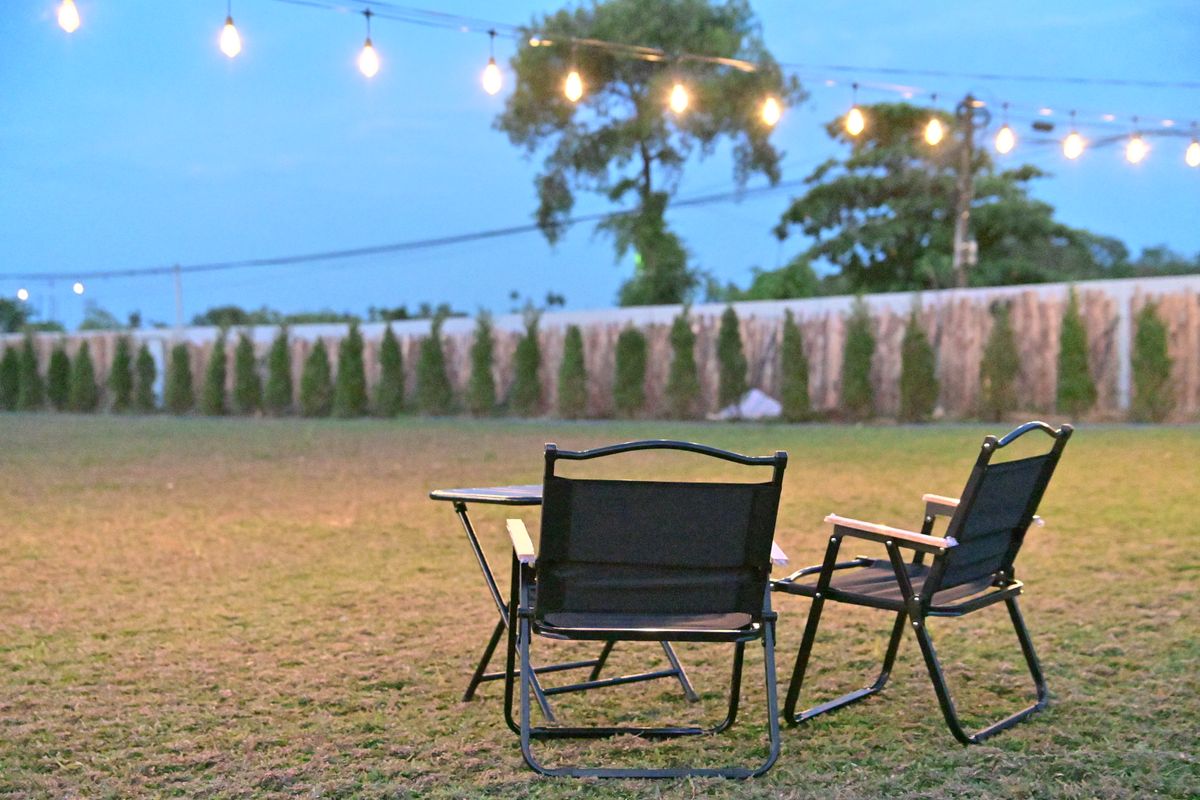
Photo by Sóc Năng Động on Pexels
Does tilting the panel help charging efficiency?
Facing the brightest sky helps. A tiny camping panel does not need a full RV tilt rig, but flat-under-a-tarp is the worst option.
Can I maximize efficiency by charging on a car dashboard?
Hot glass can stress packs. Open sky outdoors is the design.
Why is my portable bug zapper inefficient after a “full day”?
Camp shade is still shade. Move it.
Does a bigger 4500V grid need more solar panel charging?
The pack still wants 6–8 hours. A dirty grid can also make the night look short.
Will perfect efficiency eliminate all mosquitoes?
No. Charging efficiency keeps the unit on. It does not empty the meadow.
Related reading
- How solar bug zappers work
- Solar bug zapper charging troubleshooting guide
- Off-grid solar bug zapper setup guide
- How to power a bug zapper off-grid
What to do next
Maximize solar panel charging efficiency by treating the portable bug zapper like a small power plant: 6–8 hours of clean sky, sensor uncovered, panel sleeved in the bin. Then hang 6–8 feet high and 15–20 feet from camp. If nights still die early, follow the charging troubleshooting guide before you buy a larger panel you will also leave in the shade.