How to Maximize Solar Charging and Placement for Your Portable Camping Bug Zapper
To maximize solar charging and placement for a portable camping bug zapper, give the panel 6–8 hours of open sky, hang the unit 6–8 feet high, and keep 15–20 feet of standoff from the tent. Charging fails in vestibule shade; placement fails on the picnic table. A 2 lb 4500V solar insect zapper with an integrated panel sensor can run about 8–12 hours after a proper charge, covering about 1,000 sq ft of open air. Troubleshooting a “dead” night almost always starts with those two jobs.
Portable gear only works if you treat the panel like a tiny power plant and the hang like a decoy, not a centerpiece.
Charging: sky first, USB last
Solar charging needs line of sight. Walk the zapper into a sun patch at breakfast even if camp sits under pines. Face the panel at the brightest sky, not at the tent wall. Wipe dew and pine pollen; a film cuts current. The integrated sensor should see ambient light so dusk-to-dawn cycling is not confused by a hanging lantern.
Expect 6–8 hours to fill a pack that then runs about 8–12 hours. Two cloudy days may need a USB top-off. Do not judge a factory-empty battery on night one. For deeper charge faults, use the solar bug zapper charging troubleshooting guide and the how solar bug zappers work guide.
Placement: height, standoff, wind

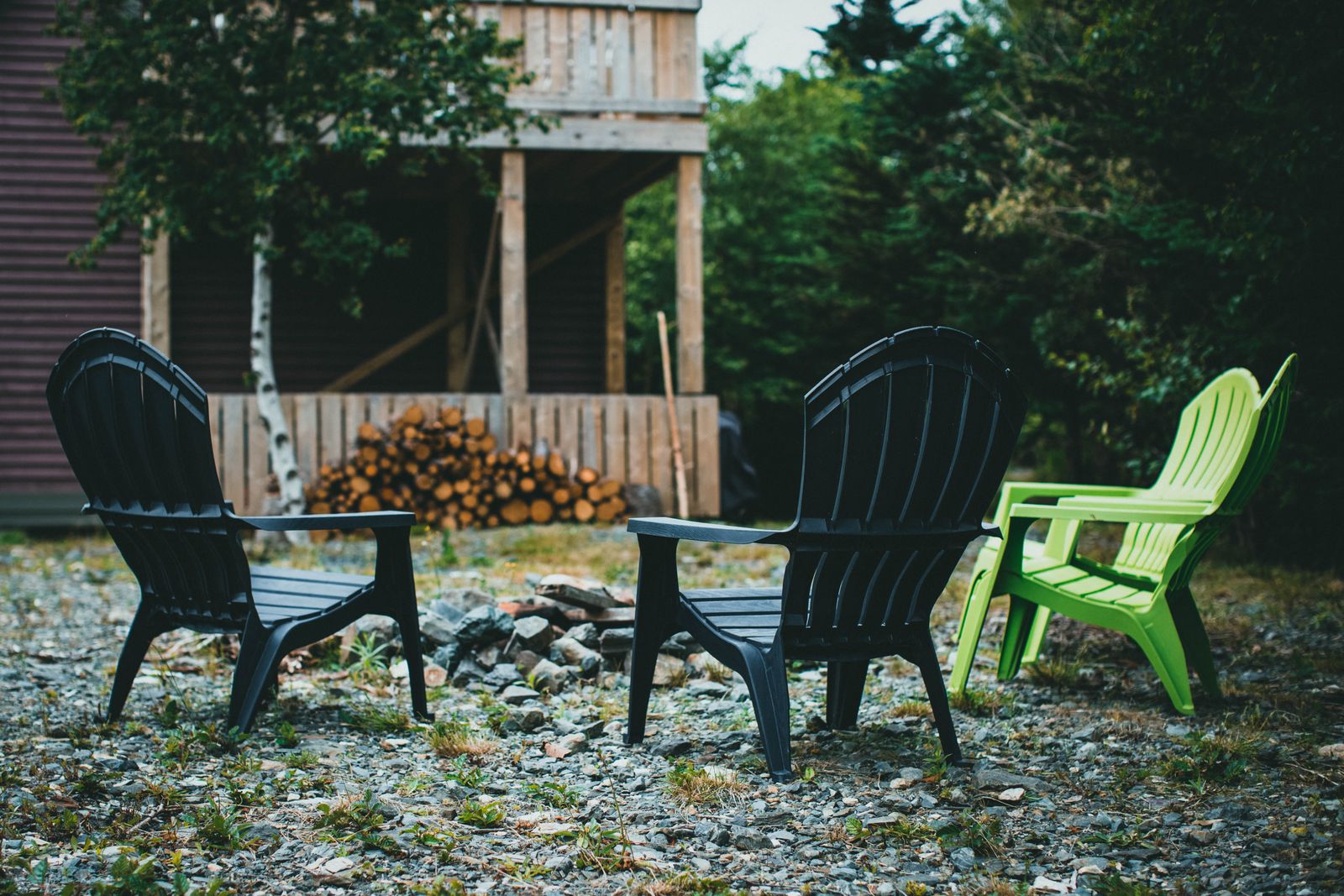
Photo by Vero Benedini on Pexels
Hang 6–8 feet high on a branch, hook, or awning edge. Keep 15–20 feet from sleeping flys so the UV lure pulls insects away from people. Downwind of chairs is better than over the stove. IPX4 handles splash; do not set the unit in a puddle.
A dirty stainless-steel grid mimics a weak charge. Power off, then brush. Coverage of about 1,000 sq ft is a hanging rating, not a tabletop rating.
Compare layout notes in the off-grid solar bug zapper setup guide and the campsite placement and maintenance guide.
Charging vs placement mistakes
| Symptom | Charging cause | Placement cause | Fix | | --- | --- | --- | --- | | Dies at midnight | Panel in shade all day | — | Move to a sun patch 6–8 h | | Never turns on at dusk | Sensor covered | Lantern flooding the sensor | Uncover panel; dim nearby lights | | Insects on people | Pack is full | Hang over the table or tent | 15–20 ft standoff, 6–8 ft high | | Weak snap | Low pack | Residue bridging the grid | Charge; power off and brush | | Short runtime | Cloudy day, no USB | Unit left on in daylight | Confirm sensor cycle | | Wet failure | Puddle on panel | Hose-down beyond IPX4 | Dry panel; hang, don’t soak |
Maximize means fixing the row that matches the night you had, not buying a second zapper.
Placement, charging, and safety checklist
- [ ] Walk the portable unit into open sun for 6–8 hours.
- [ ] Face the panel at the sky; wipe pollen and dew.
- [ ] Keep the integrated sensor uncovered.
- [ ] Hang 6–8 feet high, 15–20 feet from tents.
- [ ] Choose the downwind edge of camp, not the kitchen.
- [ ] Confirm IPX4 hang — no standing water.
- [ ] Power off before brushing the 4500V grid.
- [ ] USB top-off only after a shaded day, not as the default.
- [ ] Keep children from the live cage while you troubleshoot.
Frequently asked questions
Photo by Gerritt Tisdale on Pexels
Why is my portable camping bug zapper dead after a full day in camp?
Camp shade is still shade. Charging needs sky. Move the unit at breakfast.
Can I charge while hanging in the same placement?
Yes if that branch sees sun. If it does not, charge elsewhere, then hang at dusk.
Does USB replace solar charging?
It is backup. The design is solar energy powered for off-grid nights.
How do I maximize runtime to 8–12 hours?
Finish a 6–8 hour charge, let the sensor sleep the grid by day, and keep the grid clean.
Is it safe to move a live unit?
Power off, then move. Do not swing a live 4500V cage past faces.
Related reading
- Solar bug zapper charging troubleshooting guide
- How solar bug zappers work
- Off-grid solar bug zapper setup guide
- Campsite placement and maintenance guide
What to do next
Maximize solar charging and placement before you blame the grid. Put the portable camping bug zapper in open sky for 6–8 hours, hang it 6–8 feet high and 15–20 feet from the tent, and brush the bars after heavy nights. If it still dies at midnight, follow the charging troubleshooting guide instead of stacking extra lures over dinner.
Cover photo by Jonathan Cooper on Pexels.