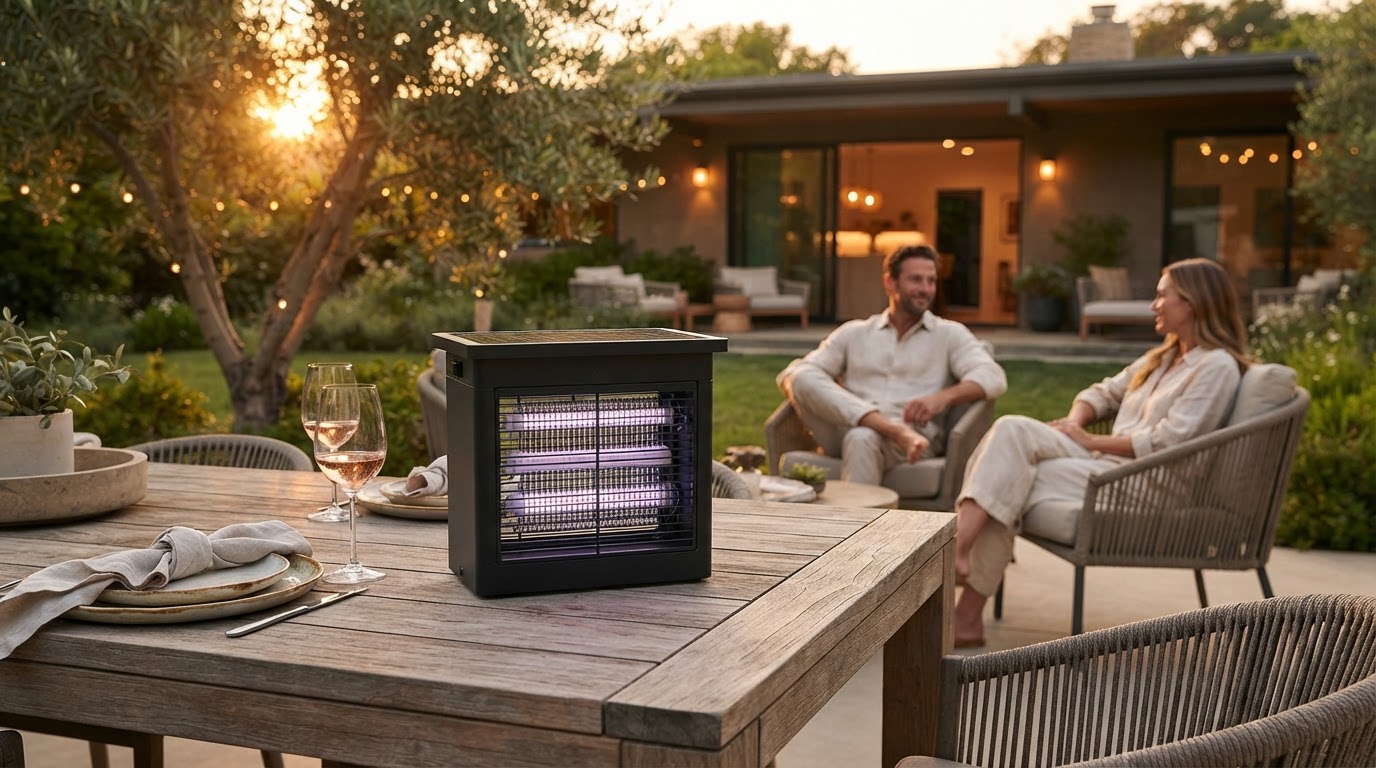
Solar Bug Zapper Market Expands with 4500V Hybrid Models
 Priya RamanSenior Analyst
October 17, 2026 — The outdoor pest control sector is witnessing a shift toward high-voltage solar integration as retailers introduce multi-functional 4500V units. Recent market activity highlights a growing consumer preference for automated, wireless solutions that combine insect elimination with ambient lighting features.
To evaluate these devices effectively, think of it as a matrix of power versus autonomy. Two axes matter here: discharge intensity (measured in volts) and energy sourcing (static vs. renewable). High-intensity devices like the Outdoor Bug Zapper occupy the upper quadrant of this model, providing 4500V of shock capacity while maintaining portability. Once you see it this way, the distinction between decorative lighting and functional pest management becomes clear.
Recent retail data confirms this trend. According to Dealcatcher.com, a solar bug zapper featuring a 4500V mechanism and a unique water wave projector is currently positioned at a $32.99 price point. The report from Dealcatcher.com notes that no special codes or coupons are required for this offer, which includes free shipping while supplies last. This pricing strategy reflects a competitive push to integrate solar panel sensors into high-output shockers, a feature set previously reserved for premium wired units.
When assessing these hybrid models, users should consider the efficiency of the photovoltaic conversion. The Outdoor Bug Zapper utilizes a panel sensor for automated operation, ensuring the 4500V grid activates only when ambient light levels drop. This automation is critical for maintaining battery health during portable camping trips where manual charging is not feasible. Furthermore, the inclusion of wireless pest control technology allows for placement in remote garden perimeters without the limitations of extension cords.
Expert tip: To maximize the lifespan of a solar-powered 4500V unit, ensure the panel sensor is cleaned weekly with a microfiber cloth. Dust accumulation can reduce charging efficiency by up to 20%, potentially leaving the device underpowered during peak mosquito activity hours. Regular maintenance supports long-term solar efficiency and ensures the automated grid activation remains responsive to light changes.
The decision rule: Prioritize units that offer a minimum of 4000V for effective elimination, provided they include an automated sensor to manage the higher energy draw of the shock mechanism.