Solar Bug Zappers vs. Propane Mosquito Traps: Best Choice for Off-Grid Campsites
Solar bug zappers beat propane mosquito traps at most off-grid campsites because they need no fuel canister, no CO2 plume, and no nightly burn time. A portable solar insect zapper hangs, charges in 6–8 hours of sun, and runs about 8–12 hours. Propane traps can lure some mosquitoes with warmth and gas, but they add weight, cost, and fire rules. Choose solar for backpack-light camps; keep propane for large, permitted basecamps that already haul tanks.
Neither tool wipes a wetland. A zapper intercepts insects that hit a 4500V stainless-steel grid. A propane trap attracts a subset of mosquitoes and holds them. The best choice is the one you will actually pack, charge, and place 15–20 feet from the tent.
How each system works at camp
A solar zapper uses a UV lure and an electric-shock grid. An integrated panel sensor typically wakes the lamp at dusk so you are not flipping switches with greasy hands. Coverage for this portable class is about 1,000 sq ft when hung 6–8 feet high. Weight is about 2 lb. IPX4 covers splash, not a river dunk.
A propane mosquito trap meters gas to mimic breath and body heat. It can pull some host-seeking mosquitoes toward a net or sticky path. It does not electrify a grid. You must pack cylinders, check local fire bans, and keep the burner away from tents and dry grass. That is a different logistics problem than facing a panel at the sky.
For campsite layout that keeps lures away from beds, use the how to set up a campsite bug zapper guide and the off-grid campsite bug control guide.
Solar zappers vs propane traps
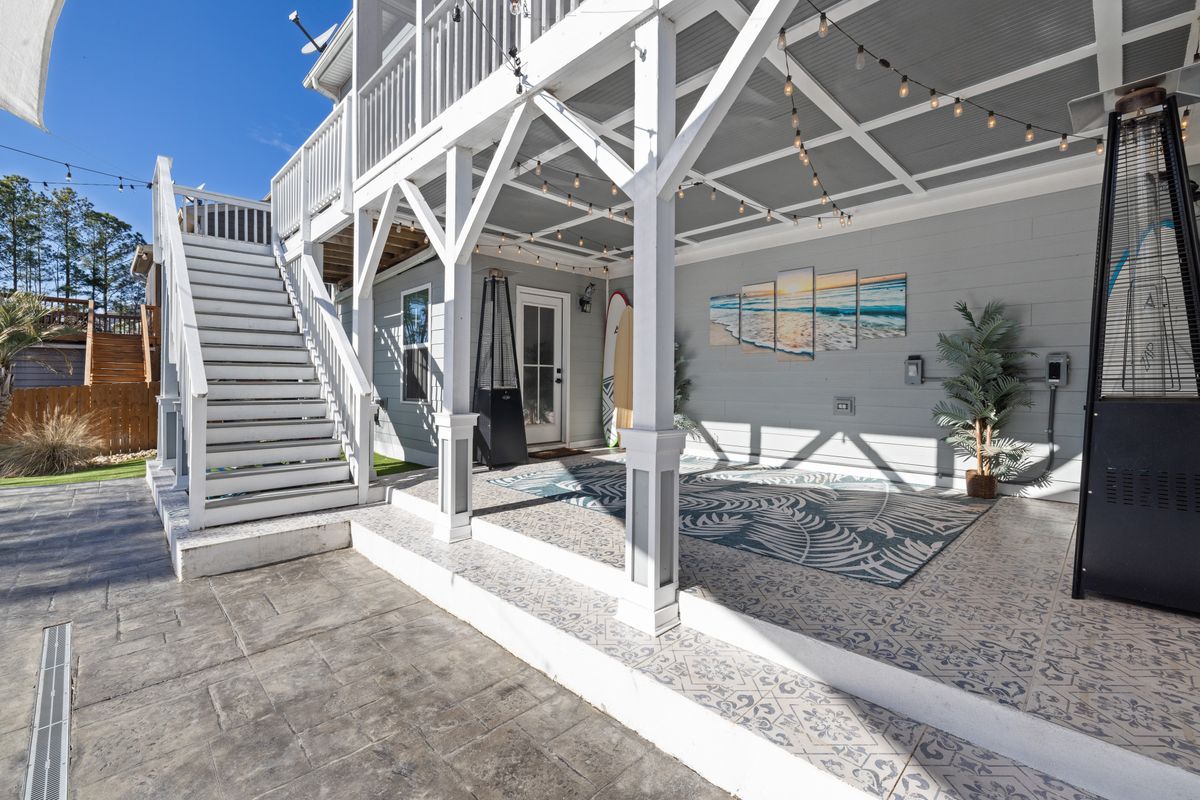
Photo by Curtis Adams on Pexels
| Factor | Solar bug zapper | Propane mosquito trap | | --- | --- | --- | | Fuel | Sun plus a rechargeable pack | Propane cylinders all weekend | | Nightly cost after purchase | None at the campsite | Gas you must pack out empty | | Weight in the bin | About 2 lb hang unit | Trap body plus tanks | | Setup | Hang 6–8 ft; keep 15–20 ft from tents | Level pad, clear of tents and brush | | Fire bans | No open flame | Often restricted | | Target insects | Phototactic flies, moths, some night biters | Host-seeking mosquitoes that follow CO2 | | Weather | IPX4 splash-resistant hanging | Burner and hose hate standing water | | Runtime | About 8–12 hours after 6–8 hours charge | As long as the cylinder lasts | | Maintenance | Brush the grid; wipe the panel | Swap tanks; clean nets and ports |
If the trip is a walk-in site or a fire-ban weekend, solar is the practical choice. If you already run a propane stove farm at a group camp and want a CO2 lure, a trap can sit on the downwind edge — still not over the picnic table.
Safety, charging, and what “mosquito trap” does not mean
Do not treat either device as a pesticide or a medical device. A zapper does not eliminate all mosquitoes. A propane trap does not sterilize a marsh. Wear sleeves at dusk, drain standing water you created, and zip screens.
Charging the solar unit is the whole fuel plan: 6–8 hours of open sky, panel sensor uncovered, battery ready for an 8–12 hour night. Cloudy valleys may need a USB top-off. Propane users should count cylinders before the last store, not after the last pop.
Keep the 4500V grid out of reach of children and dogs. Power off before brushing. Hang, do not table-sit, so curious hands cannot walk into the bars. Propane needs the same kid radius plus a cold-check on fittings.
Compare lure-only methods with physical grids in the solar bug zapper vs traditional repellents comparison. For panel-angle basics, see the off-grid solar bug zapper setup guide.
Placement, charging, and safety checklist
- [ ] Decide fuel: sun for a 2 lb zapper, or cylinders you will pack out.
- [ ] Hang solar units 6–8 feet high, 15–20 feet from tents and chairs.
- [ ] Face the panel at open sky from breakfast through late afternoon.
- [ ] Confirm the integrated sensor is not shaded by a tarp or lantern.
- [ ] Charge 6–8 hours before judging an 8–12 hour night.
- [ ] If using propane, site the trap on bare mineral soil, downwind, never in the tent vestibule.
- [ ] Check fire bans and campground rules before lighting any gas lure.
- [ ] Power off the zapper grid before cleaning; keep pets from both devices.
- [ ] Pack empty canisters and insect debris out — do not bury either.
Frequently asked questions
Photo by Rafael Rodrigues on Pexels
Are solar bug zappers better than propane mosquito traps for backpacking?
Yes for pack weight and fire rules. A 2 lb wireless zapper with a 6–8 hour solar charge is a simpler overnight than tanks. Propane belongs with car camping that already hauls gas.
Do propane traps catch more mosquitoes?
They target a different cue — CO2 and heat — so they can pull some host-seeking mosquitoes. They still miss plenty of insects a UV grid will intercept. Neither is a total-count contest you should trust as a guarantee.
Can I run both at an off-grid campsite?
You can, if you have space to keep both lures 15–20 feet from sleeping areas and away from each other. Two lures in the kitchen is worse than one lure on the perimeter.
What about rain?
IPX4 solar hangers tolerate splash. Shut propane down in storms. After rain, dry the zapper panel so the next charge is not wasted on a wet, shaded face.
Is propane allowed during fire bans?
Often no. Gas appliances may be restricted even when stoves with shutoffs are allowed. Solar has no flame, which is why it is the default choice on restricted weekends.
Related reading
- How to set up a campsite bug zapper
- Off-grid campsite bug control guide
- Solar bug zapper vs traditional repellents comparison
- Off-grid solar bug zapper setup guide
What to do next
Pick the fuel you can actually carry. For most off-grid campsites, hang a portable solar bug zapper 6–8 feet high and 15–20 feet from the tent, charge it 6–8 hours, and skip propane unless you already live with tanks and legal burners. Walk the site at dusk: if insects cluster on people instead of the perimeter lure, move the device, do not add a second flame.
Cover photo by Max Vakhtbovych on Pexels.