Solar Bug Zappers vs. Chemical Bug Sprays: Which Is Best for Eco-Conscious Camping?
Solar bug zappers vs chemical bug sprays for eco-conscious camping: the zapper is best as a hanging 4500V intercept that keeps mist off creeks, plates, and tents, while chemical bug sprays remain a personal skin choice if you use them. Which is best depends on the job — site versus body. Eco-conscious camping hangs a portable solar unit 6–8 feet high, 15–20 feet from the tent, charges it 6–8 hours, and does not fog the meadow. Sprays drift. The grid does not.
Neither clears every biting insect. Clothing is still the low-impact layer.
Eco-conscious means fewer broadcasts
Solar bug zappers: UV lure, stainless-steel bars, IPX4 hang, 2 lb, about 1,000 sq ft class, integrated sensor, 8–12 hour night after a real charge.
Chemical bug sprays: aerosols or pumps. They move with wind, stick to flys, and wash into gray water. Eco-conscious camping keeps that off shared dishes.
See the solar bug zapper vs traditional repellents comparison and the how to keep bugs away while camping guide.
Camping comparison

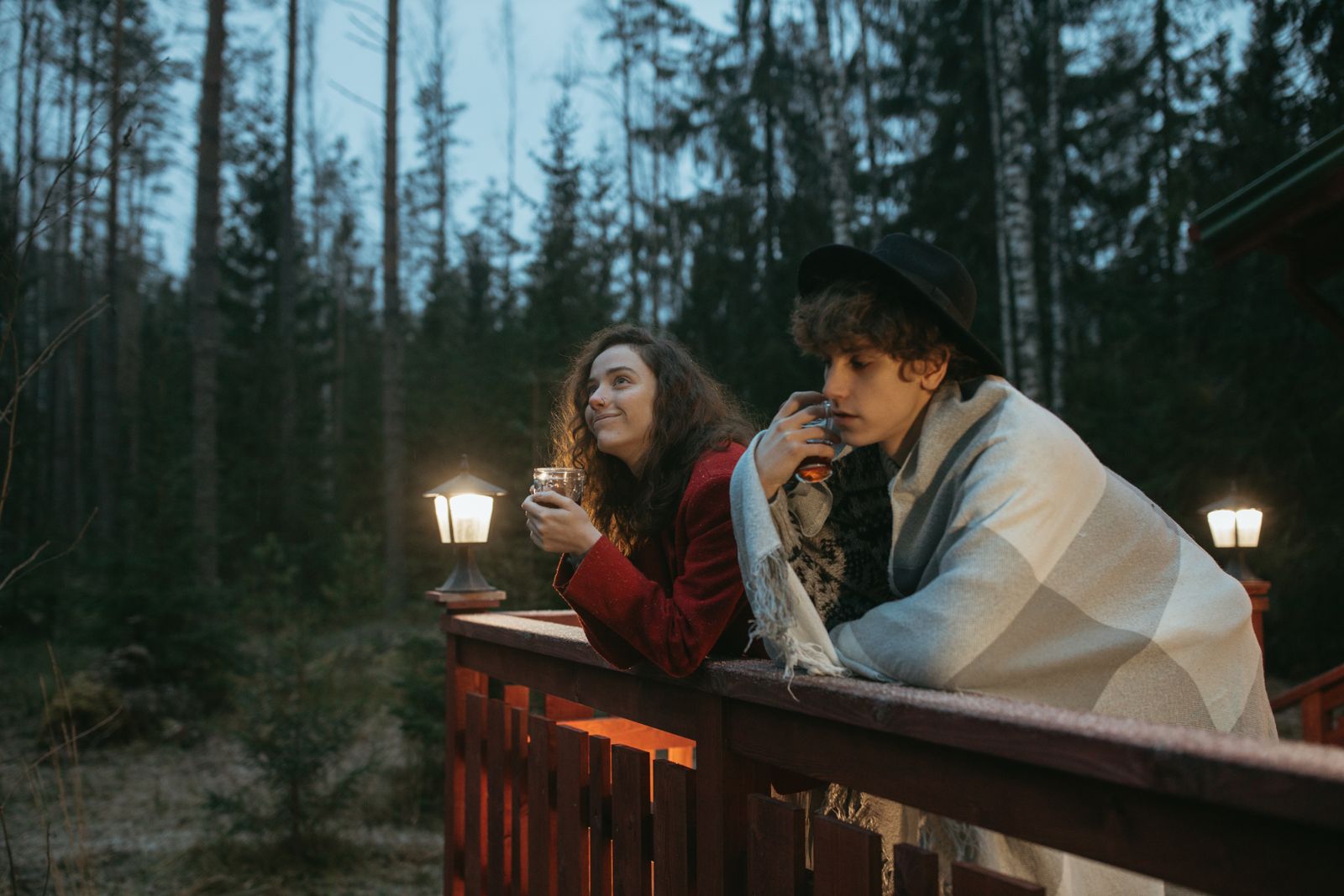
Photo by Nairod Reyes on Pexels
| Factor | Solar bug zappers | Chemical bug sprays | | --- | --- | --- | | Site vs body | Site perimeter | One person’s air/skin | | Water | No mist | Drift and wash-off | | Food | 15–20 ft standoff | Overspray risk | | Re-up | 6–8 h sun | Another can | | Kids | Hang out of reach | Treated air | | Wildlife | Pack out debris | Non-target drift | | Best for eco-conscious camping | Default site tool | Optional skin lane |
Which is best as the campsite default? The solar hang. Sprays, if any, stay on skin away from the panel.
Hang without the fog
Charge in open sky. Uncover the sensor. Power off to brush. Do not spray the housing “to help.”
Use the how to set up a campsite bug zapper guide and the off-grid campsite bug control guide.
Placement, charging, and safety checklist
- [ ] Hang 6–8 feet high, 15–20 feet from tents.
- [ ] Charge 6–8 hours in open sky.
- [ ] Keep chemical bug sprays off food, water, and the solar panel.
- [ ] Wash hands after any skin product before cooking.
- [ ] Power off before brushing the 4500V grid.
- [ ] Pack out wipes and insect debris.
- [ ] Uncover the sensor.
- [ ] Treat IPX4 as splash.
- [ ] Brief kids: look, do not poke.
Eco-conscious camping with mixed opinions in one tent
Solar bug zappers vs chemical bug sprays becomes a camp argument. Which is best for eco-conscious camping should be decided before you unpack: hang the 4500V unit on the pad, no meadow fog, skin products optional for adults who want them. Write it down if the group is large.
Eco-conscious is not a personality. It is no drift into water, no spray on the panel, lids on food, and a 6–8 hour charge so you are not “forced” to fog at midnight.
If someone shows up with a fogger, point them at the standoff hang. Best is the tool that does not annex the creek. Charge 6–8 hours in open sky before you judge a night. Hang 6–8 feet high and keep 15–20 feet from tents, tables, or play space so the UV lure is a decoy. A portable 2 lb unit with an IPX4 rating, stainless-steel grid, and integrated panel sensor can run about 8–12 hours and cover about 1,000 sq ft of open air when those habits hold. Power off before brushing. Keep children and pets from the live 4500V cage. USB is a cloudy-day backup, not the main fuel. Do not treat the device as a pesticide or a medical tool, and do not expect a marsh to go quiet because a grid snapped.
Extra checks before you pack

Photo by Vero Benedini on Pexels
Solar Bug Zappers vs. Chemical Bug Sprays: Which Is Best for Eco-Conscious Camping? still comes down to a 6–8 hour solar charge, a 6–8 foot hang, and 15–20 feet of standoff from people. Write those three numbers on the tote lid. If night one disappoints, audit them in order: sky on the panel, height, then distance. A portable 2 lb 4500V insect zapper with an IPX4 enclosure and stainless-steel grid cannot invent sun or a legal hang point.
Keep the integrated panel sensor uncovered so dusk-to-dawn cycling conserves the pack for an 8–12 hour night. Dim lanterns that sit beside the photocell. After rain, wipe the panel and brush residue only when the unit is powered off. About 1,000 sq ft of coverage is a hanging class in open air — tabletop use pulls insects onto food and puts the live cage in kid space.
Pack the included cleaning brush next to the hang strap. Sleeve the panel so cookware does not scratch the glass. Do not hose the housing, oil the bars, or dump insect debris in water. USB backup is for two cloudy days, not a substitute for walking the unit into a sun patch at breakfast. Clothing and screens remain part of the stack; a grid intercept is not a force field and will not empty a marsh.
If you camp or dine with mixed ages, brief everyone once: look, do not poke. Pets need the same radius as children. Recheck the hook after wind so a 2 lb cage cannot fall. Those habits travel with every topic on this page, including solar bug zappers vs chemical bug sprays.
Frequently asked questions
Are solar bug zappers always best for eco-conscious camping?
As the site tool, yes. On a brutal marsh trail, a labeled skin product is a body tool, not a campsite fog.
Do botanical chemical bug sprays get a pass?
If you mist the air, it is still a spray column.
Can I skip the zapper and only use clothing?
Yes, and that is also eco-conscious. The zapper helps still, humid pads at night.
Will this pairing clear every biting insect?
No. Eco-conscious is fewer chemicals, not a force field.
Where do I store spray if I still carry it?
Sealed, away from food and the panel, used off-pad if at all.
Related reading
- Solar bug zapper vs traditional repellents comparison
- How to keep bugs away while camping guide
- How to set up a campsite bug zapper
- Off-grid campsite bug control guide
What to do next
Choose solar bug zappers as best for eco-conscious camping of the pad, and keep chemical bug sprays (if you use them) on skin only. Hang 6–8 feet high, 15–20 feet from the tent, charge 6–8 hours, and leave the meadow unsprayed.
Cover photo by Yaroslav Shuraev on Pexels.